The meaning of the word Machu Picchu
The Quechua name comes from the the toponimia of the mountain which is called Machu Picchu. Dividing the word it means Machu = old, Picchu = mountain.So it means Old Mountain. According to Manuel Chavez Ballon it might have been called "Kuntur Kancha" translated " The condor nest".
Location
The archaeological area is situated on the left side of the Vilcanota river; in the gorge of Kusichaca, in the district of Machu Picchu, province of Urubamba, department of Cusco.
Area
The historical sanctuary of Machu Picchu is 32,592 hectares.
Altitude
It is 2490 meters above the sea level, taking the center of the archeological site as a reference point.According to some scientists it might have been created about 36 thousand years b.c.
Weather
As it is situated in a subtropical area; the temperature rises from 8º to 22º C. The wet season is from December to April.
Access
By Train- Departing from the San Pedro Station in Cusco to Aguas Calientes, the journey goes for about 3 or four hours depends on the class of train (112 Km.) Once at Aguas Calientes you will be able to take the touristic buses up to the ruins, which is about 15 minutes.
By Air - You leave from Cusco, usually at 8 o'clock in the morning on a 25 minute flight, arriving to the heliport at Aguas Calientes.Great landscape views.
Trekking
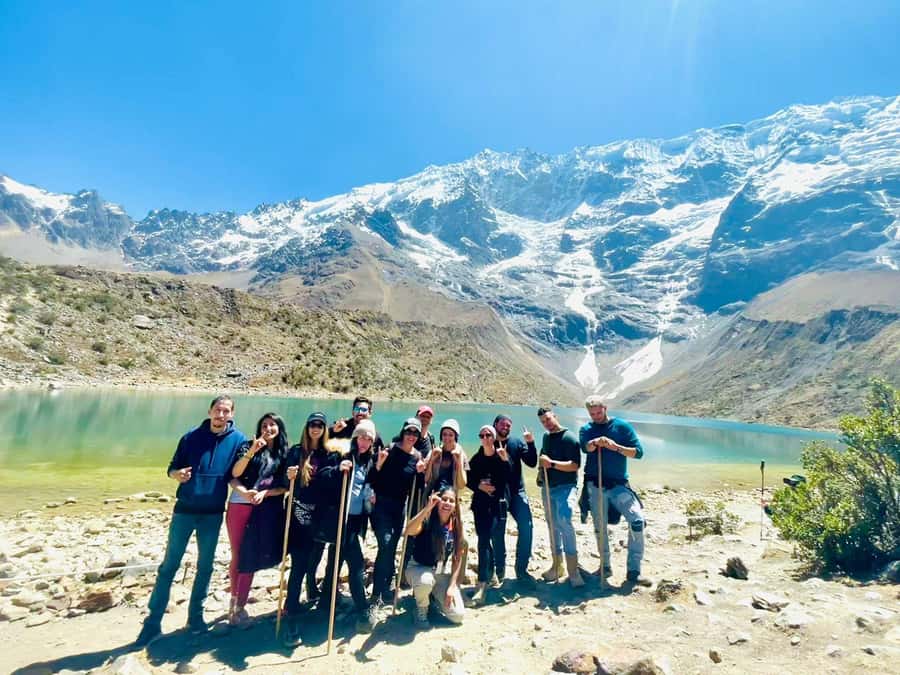
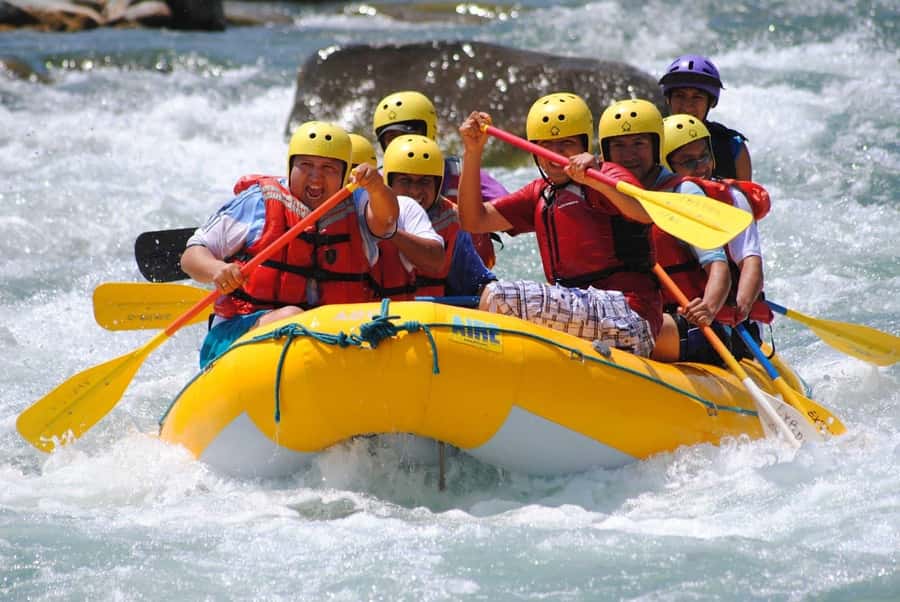
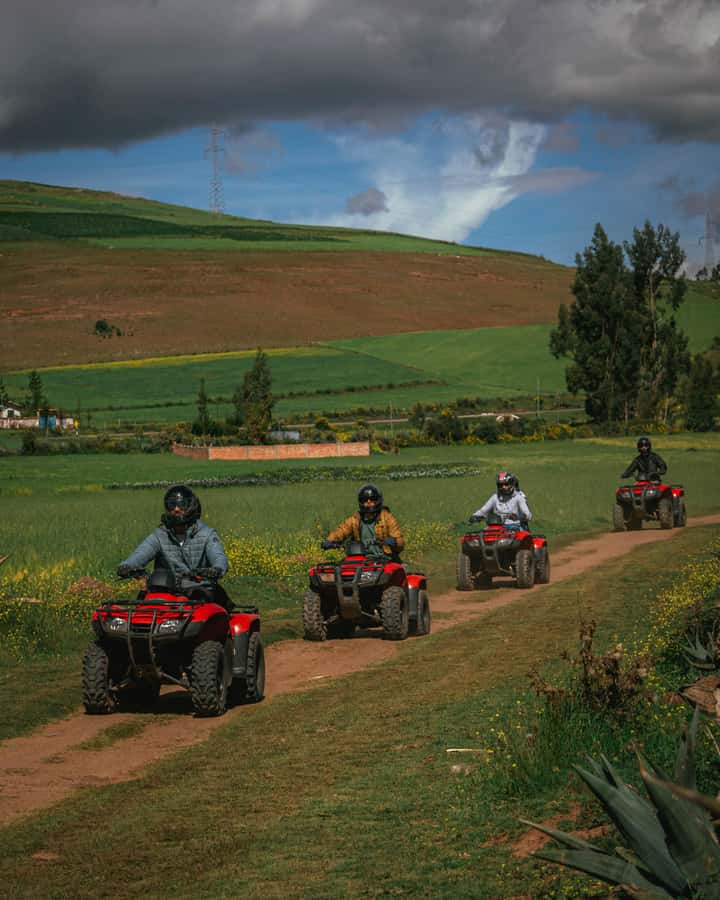
Adventurers can find their way through the INCA TRAIL MACHU PICCHU One of the greatest adventures and extreme sports in Cusco, well famous for its popular narrow paths an spectacular views. You can choose from 4 to 2 days of walking. Dare yourself to do it!
Recommendations
Because of the warm weather, a large number of insects and mosquitos exists there , especially on sunny days. Their bites produce an irritation and sometimes allergies on the skin. Protecting yourself with insect repellent is quite recommended.
Up
ATTRATIVE
It was built in approximately the XV century. The first people to visit these archeological remains were Gavino Chavez, Enrique Palma and Agustin Lizarraga on july 14th, 1901. They left their names engraved in the walls of the city. It was Hiram Bingham who made the scientific discovery of this place helped by an expedition from Yale Univerisity in the USA and the National Geographic Society.
One could say that this discovery was an accident, as Hiram Bingham was looking for the city of Vilcabamba which was the last hostage of the Incas and the last point of resistance against the Spaniards.
Since Hiram Bingahm "discovered" Machu Picchu in 1911, it has captured the admiration of the entire world and is considered now in days one of the World Wonders, and one of the particular attractives in Peru.

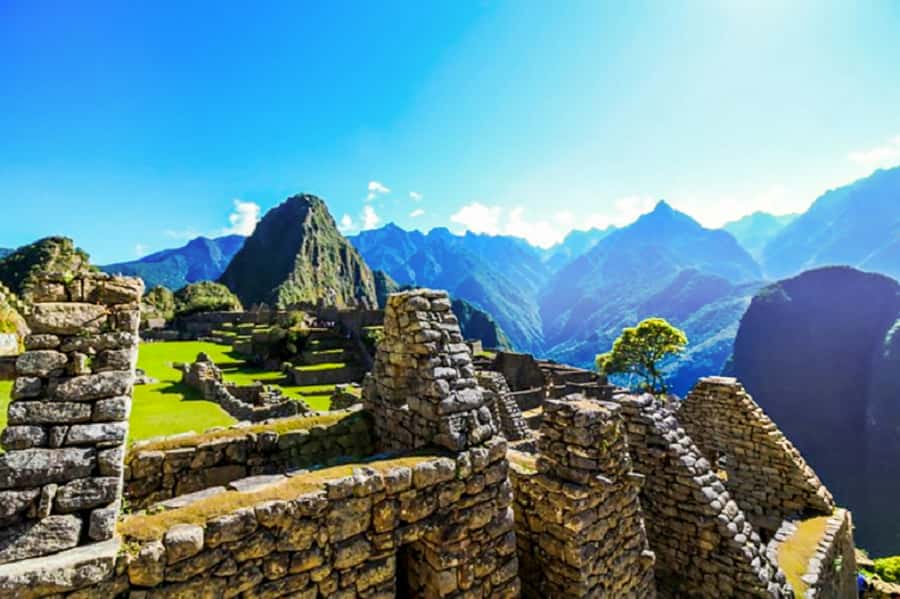
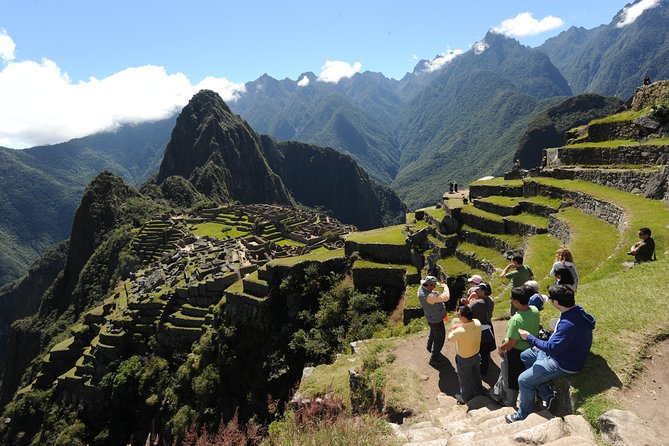
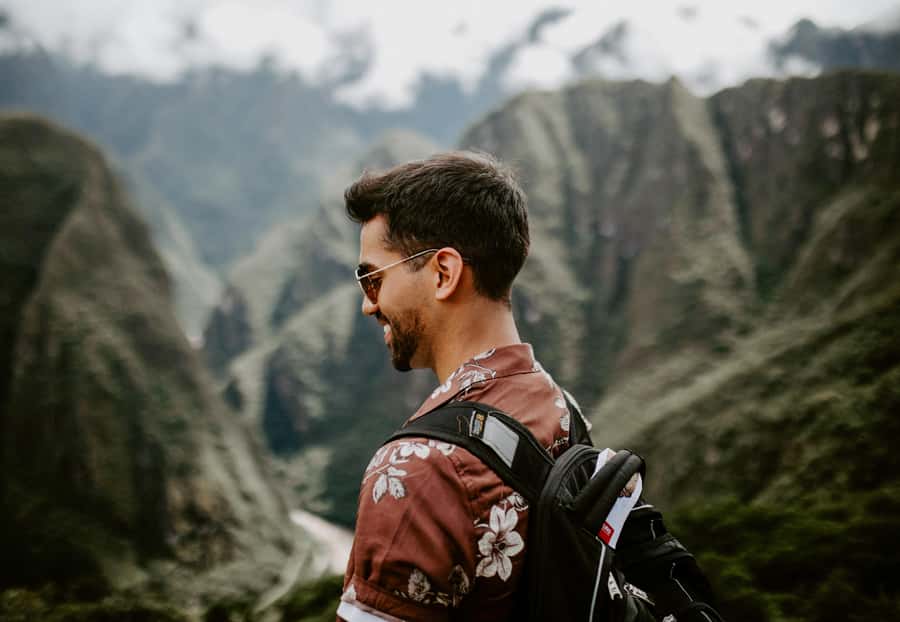
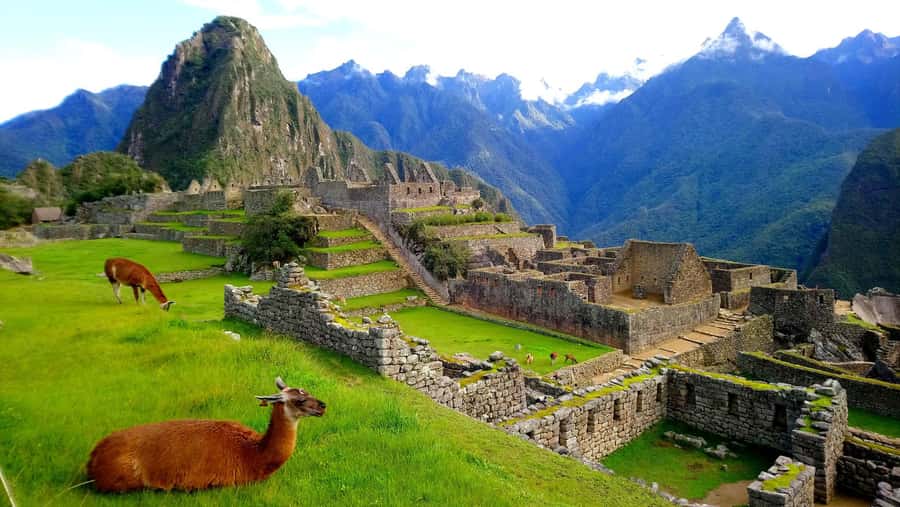
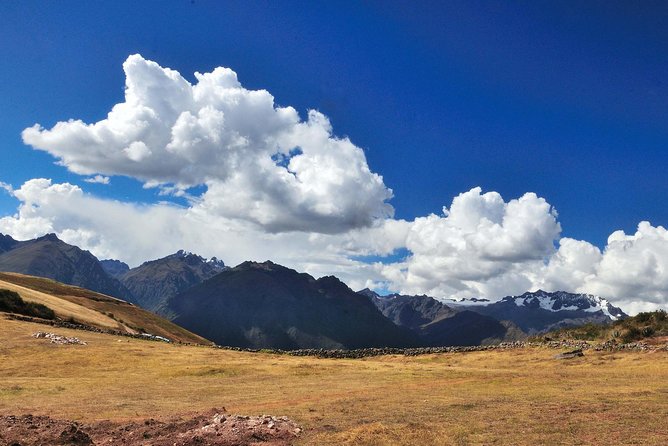
Machupicchu is surrounded by a huge jungle and imposing mountains that remain next to the visitors through their entire journey.
Once you arrive you'll be captured by the magic of the misterious ruins, which have been kept for ages, to delight the visitors with its beauty.
Description
Machupicchu Historic Sanctuary is a world-renowned protected area, known for its impressive Incan archeological complexes, sites, and monuments--which are of great historical and cultural value. The Sanctuary is also environmentally valuable because it contains forests and steeply sloped, snow-capped mountains. It is a transition zone between the Andean and Amazonian ecosystems and has components of both. The terrain is predominantly rugged with steep slopes.
Up
Geography
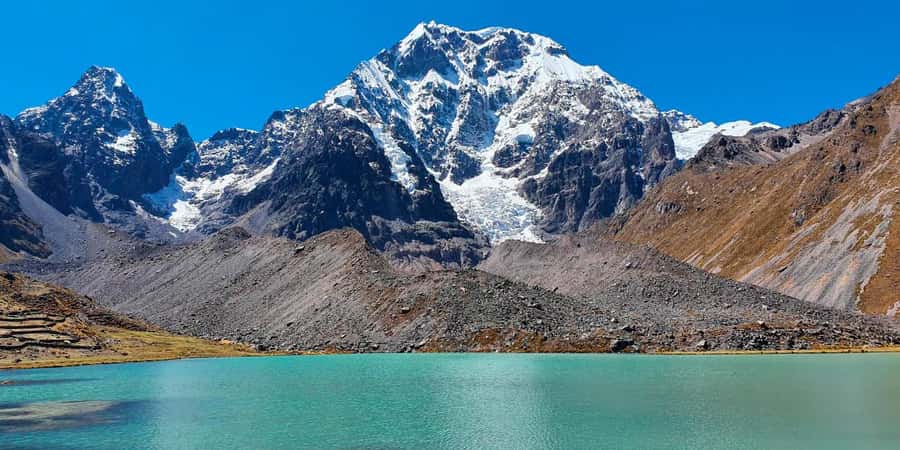
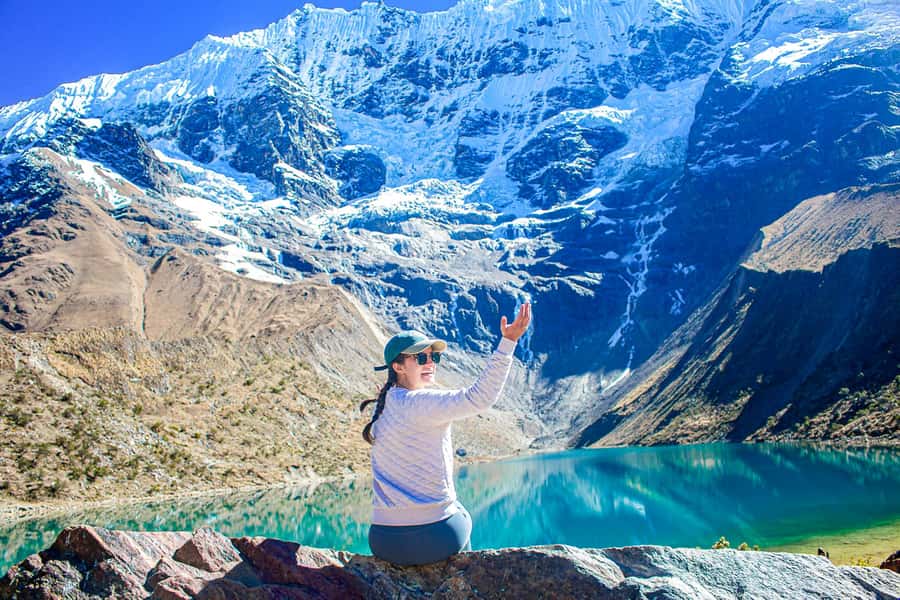
The area is rugged with steep slopes. Its minimum elevation is 1,800 m in the Urubamba Valley and its highest portions reach 5,000 m. This zone belongs to the eastern chain. At its highest elevations there are glaciers (that are showing signs of retreat) and evidence of previous glaciers and their associated erosion. The drainage network is dendrical and rectangular-parallel, made up of the principal rivers, including Alccamayo, Aguas Calientes, Aobamba, Cusichaca, and their tributaries, indicating that tectonic movements influenced the Urubamba's tributaries
The protected area is in central Cusco along both sides of the Urubamba. Cambrian, Paleozoic, and Quaternary rocks in dominant formations such as Ollantaytambo, San Jose formation, intrusive rock, and quaternary deposits, cover the protected area. Fluvial deposits along riverbeds include everything from gravel to sand to mud and clay. Alluvial materials in the creek beds include heterogeneous mixtures of fragments and blocks with varying percentages of sand and clay mix. There are boulders and blocks of intrusive rocks in the riverbeds. Glacial materials are found mostly at the bases of the snow-capped Salkantay, La Veronica, and Chullunkuy mountains. Existing structures in the area have played an important role in developing its morphology, and in the past these structures controlled sedimentations and distorted sedimentary sequences
Physiographically, there are two major landscapes: the plains and the mountains, defined by their relief and the process of their formation. The plains include alluvial, coluvial, and glacial plains. The mountains are made up of metamorphic, sedimentary, volcanic, and intrusive rock
Hydrology
Hydrographically speaking, Machupicchu belongs to the Atlantic slope and includes parts of the Urubamba, from its confluence with Misquipuquio Creek at 2,700 m to its confluence downriver with the Aobamba River at 1,810 m. The Cusichaca and Aobamba Rivers form the Sanctuary's borders, and they are also left bank tributaries of the Urubamba. The snow-capped mountains (Salkantay, Chullunku, and La Veronica) are an important source of surface water. There are also some thermal waters.(5) Other Urubamba tributaries include Pampaccahua, Torontoy, Chakimayo, Miskipukyu, and Hualancay creeks.
Soils
Diverse materials in the zone have influenced the types of soil in the region. Soil types include those derived from alluvial deposits, colluvial-alluvial materials, or glaciers; anthropogenic influenced soils; and soils derived from residual materials. The land gradients vary widely, from flat areas to very steeply sloped mountains.
Up
BIODIVERSITY
Machupicchu covers 32,592 hectares in the district of Machupicchu, province of Urubamba, Department of Cusco. It is located between 13º 10´ 19" and 13º 14´ 00" southern latitude and 72° 30' 5" and 72° 36' 33" western longitude.
UNESCO has declared Machupicchu a World Heritage Site. Numerous characteristics justify this designation, including its privileged geographic position in the transition/interaction zone between the Andes and the Amazon. It is sheltered by the snow-capped mountain chains of the Salkantay to the south and La Veronica to the north, which contribute to its unique and special environment.
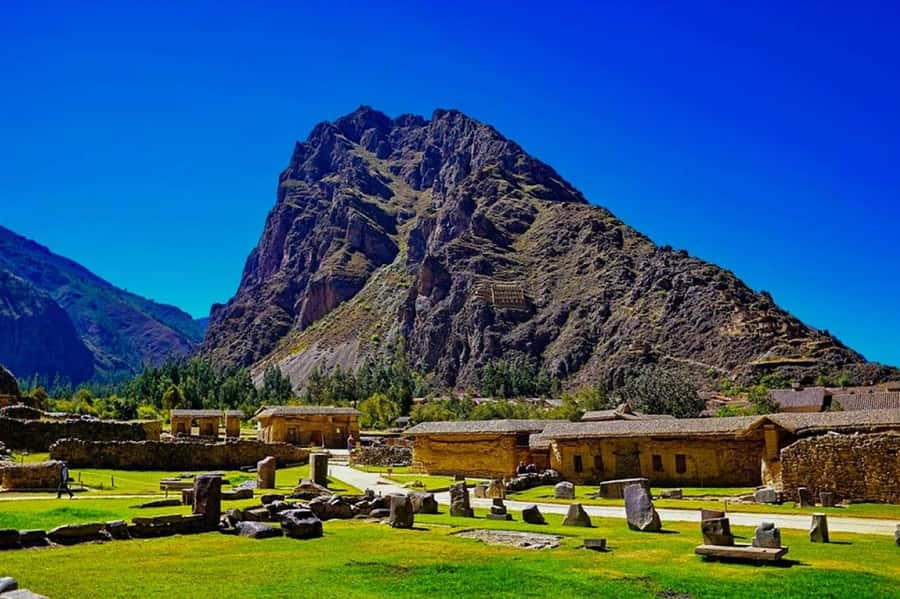
Within Machupicchu Historic Sanctuary, in addition to the village of Machupicchu, there are several other world-renowned historically and culturally important sites and archeological monuments, including Inca Raq'ay, lntiwatana, Intipata, Choquesuysuy, Chachabamba, Wiñay Wayna, Phuyupatamarca, Sayacmarka, Runkurraq'ay, Wayllabamba, Torontoy, Waynaq'ente, Machuqente, Q'ente, Qoriwayrachiwa, Pulpituyoc, Patallacta, and Palccay. These sites and monuments are associated with surprisingly complex water irrigation systems, terraces for crops, and paths between them. All of this indicates that the ancient Peruvians living here were highly developed.
Up
|