The tube has more than 100 kms of length and its deepening begins several kms despuees of Chivay, arriving 3.400 the deepest point at mts. The best place of observation is to 3.800 m.s.n.m. The zone of the Colca is ideal for the practice of adventure tourism.
Usually it is seen by colca happen to the majestic Condor…
Height
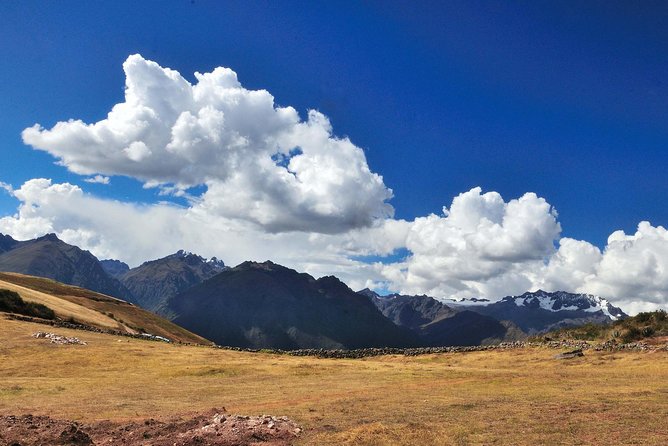
In order to arrive at this valley, it is necessary to raise 4,350 meters on the level of the sea and soon to descend to 3,400 meters of height. In the reduction landscapes with snow-covered and platforms can be appreciated.
Archaeology and the present time
Collagua, old inhabitants of the zone, previous to Imperio Incaico, left their tracks that can be seen through their vestiges, petroglifos and caves where the cereals were stored.
In the shores of the Colca river there are fourteen towns of century XVI of Hispanic influence that conserve such as, as if the time had been interrupted.
They emphasize its traditional celebrations and the churches profusely ornamented.
Natural viewpoint
Condor flying over the Tube of the Colca
Starting off of Arequipa for the Valley of the Colca, the first town which one is is Chivay, where it emphasizes a natural viewpoint from where they are possible to be seen fly the condores in his natural atmosphere, as well as two called volcanos Ampato and Coropuna.
Lodging
In several towns of the zone lodging exists, although also it is possible to be encamped.
Adventure Sport
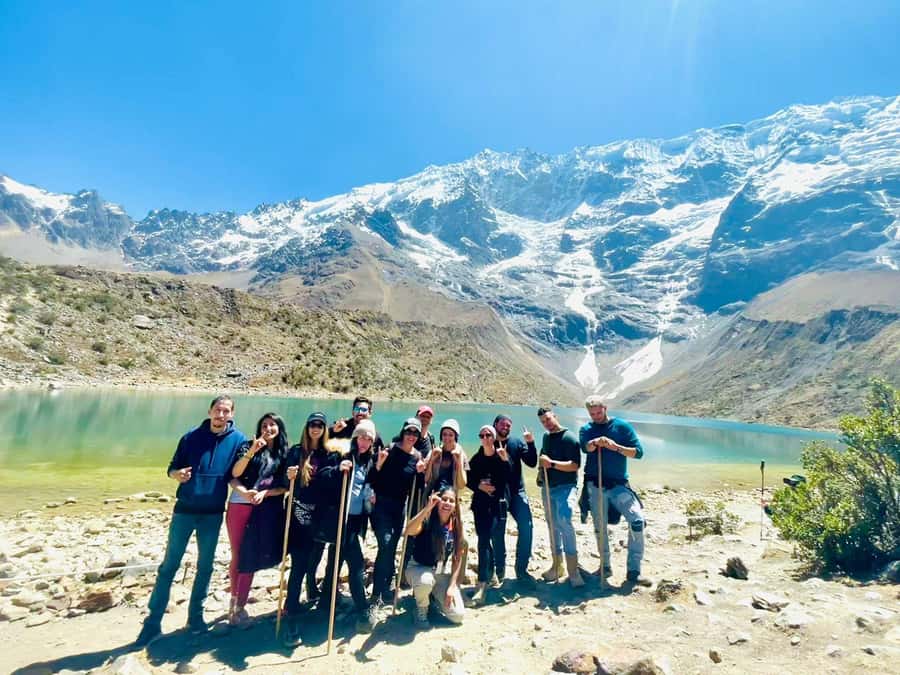
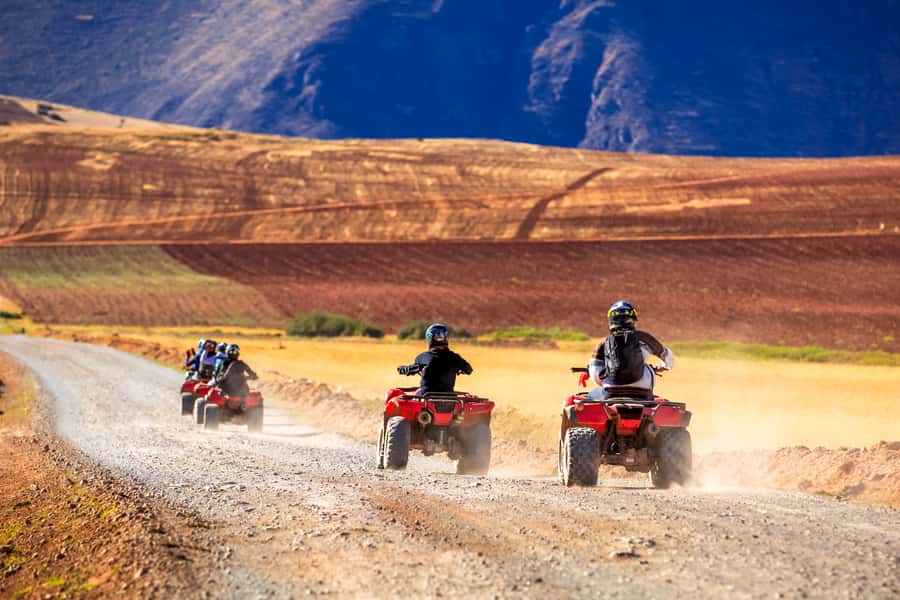
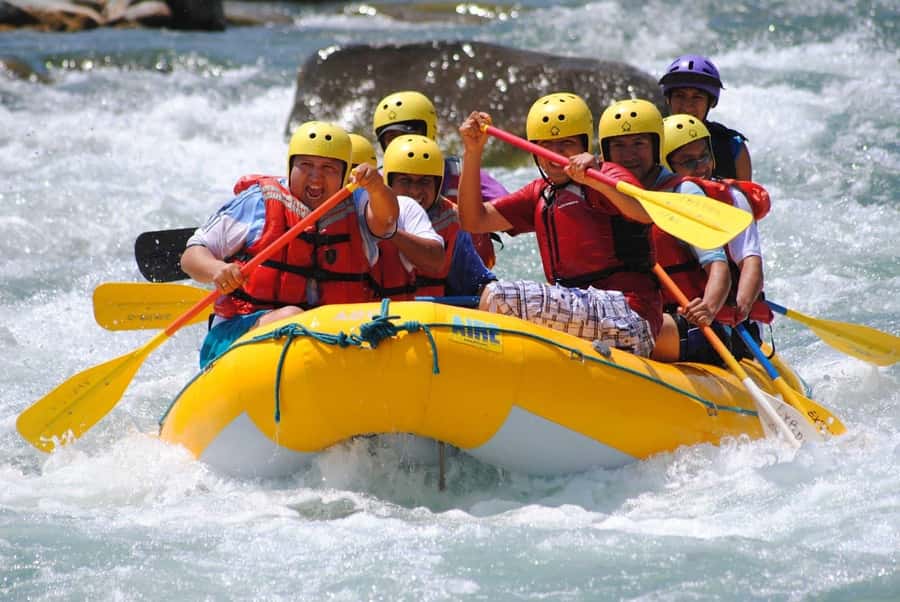
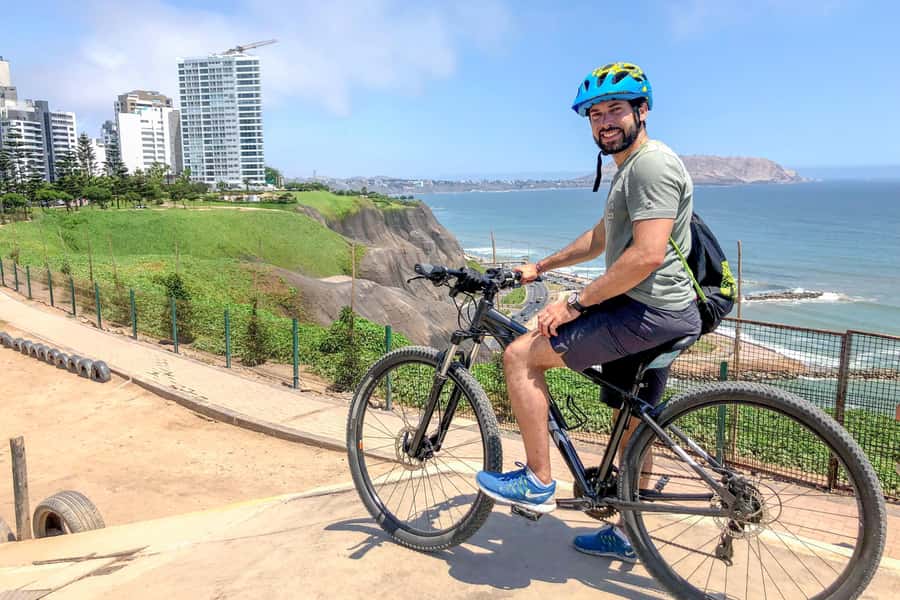
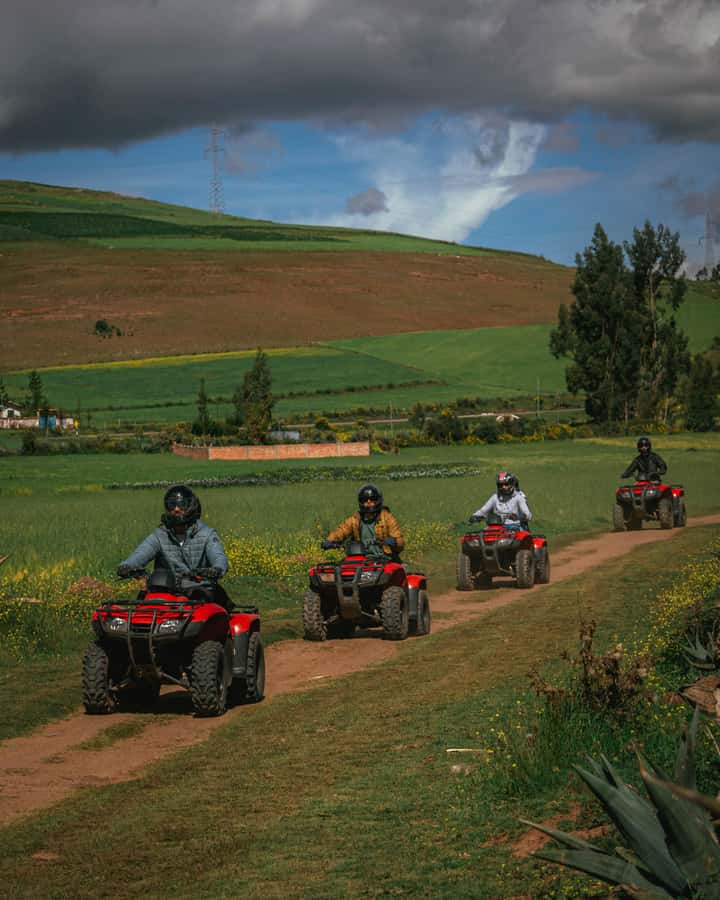
This zone of the Colca is propitious for the sports of adventure and the long walks.
subir
History
The COLCA well-known region in the colony like the Collahuas group of judges, was one of the most important zones of the virreinato of Peru. So it is that Francisco Pizarro entrusts to his brother Gonzalo, who settles down itself in Yanque to exert the control of the Valley. In that then fertile east valley was town by more than 60 thousand souls dedicated to the agricultural production, specially maize and Pope that the feeding of a great population guaranteed and therefore a strategic area.
The Virrey Toledo applies the Reduction of Indians and this vast population is forced to blood and fire to be reduced in towns. Until that moment all the population dedicated itself to the agricultural or cattle tasks and lived in small cacerios scattered throughout the affluent valley in places located to fulfill its workings.
The new towns denominated “Reduction of Indians”, designed from Spain with a detailed and meticulous planning had extrictas norms for their construction because it designed a checkerboard, the wide one of his streets, the necessity to implement a jail, hospital, school, asylum for old, etc. and by his position a greater seat and its important church.
It is so the Colca is with 14 towns affluent designed and magnificent works of architecture, like are almost all the churches that exist until today.
By this experience also they caused to serious problems in the population, because the birth and promiscuity to that he commits himself to support to them in this new form of life, mainly produces terrible epidemics by the new diseases introduced by the European, determining a dramatic reduction of population, the one that in agreement with the existing information at the beginning of the republic only were left 15 thousand people.
It is important also to indicate that in year 1630 it is discovered in the region the first mines of silver, receives and gold and therefore the interest no longer only is by its nutritional production, but also by the volume of usable manual labor for the mining.
The peculiar thing is that of to have been an important region it totally happens at the republican time to be ignored, as illustrates the anecdote of those two aviators, Robert Shippee and George the Johnsons who by the end of years 20 making an aerial photography find a well-known valley populated that they denominate the “ Stranger to him Valley of lncas” what the following year motivates them to make an expedition to the zone, constructing an airport in the town of Lari, carrying out the first measurements of the deep tube and informing that is the double of the depth of the tube of the Colorado, data that to date is ignored by the own National Geographics Society that in its atlas world-wide it continues publishing to the tube of the Colorado like deepest.
This event causes commotion in the United States, history is published in the National Geographics Magazine of January of 1934 and the expeditionary mentioned ones are invited to diverse universities of their Country to dictate conferences on their remarkable expedition.
In Peru nothing happens, until the years 75 that in the occasion of the construction of the project of the irrigation of Majes, are that the Valley of the Colca can be accessible with the construction of new highways and the infrastructure prepared for estadia of the technicians and personnel of the work. These possibilities of access and lodging allow that some students, investigators, artists and adventurers begin to cross the valley and to be discovering an inexhaustible wealth in all the fields, historical, artistic, scientific, sport, etc. that give to reputation and international diffusion until turning it which today it is, one of main attractive the tourist ones of the country.
subir
The territory of Condor
The Condor, giant of the flying birds and
mitologico symbol of the oldest Andean
civilizations, are the great personage owner
and gentleman of the Tube of the Colca.
The condor has the
absolute superiority of the imposing tube.
Of great size, of 2.80 to 3.25 ms of spread,
with 10 to 12 kg of weight, it is a bird
that has obtained an amazing efficiency of
flight using the airflows for a perfect
planning, that almost without movement of
wings can move in long-hauls and to high
altitude. It is fed on died animals, that is
to say, he is carroņoso and it cannot take
nor transport his prey not to have the
appropriate legs like the eagle or the
sparrowhawk. It feeds his chicks by
regurgitation. It nests on steep and
inaccessible rocks; it puts of one to two
eggs of 11 cm in length and 7 of wide; its
incubation lasts more than two months.
The condores young people
are of brown plumage and approximately to
the eight years of age they change to black.
Of adults they have the characteristic white
necklace and also white spots on the wings.
Only the male has the fleshy crest and in
captivity he arrives until the 50 years of
age.
The condor is of
important meaning. To thus they demonstrate
to the abundant mitologicas representations
from incaicas times pre or national symbols
it in the shields of Chile, Bolivia, Ecuador
and Colombia. Nevertheless, he is peculiar
that on he himself is known very little. An
evaluation of its population still does not
exist and many of their customs still are
not known.
Although this great bird
is in almost all the $andes, including in
the coast, are few the places like in the
Colca where its presence is constant and
with possibilities of observing it in short-distance
flight. Often below the observing point the
plumage of upon the back and the wings can
be appraised. Given its importance, the tube
is a “National Sanctuary” for conservation
and protection of the condor.
The tube is an impressive
crack that runs percent km between great
walls of 3,400 ms in average, Its slopes are
pronounced, almost vertical. They lower from
the 5,200 ms of the Mountain range of Chila,
in its right margin, to the river, to 3,000
ms of the beginning of the tube, to arriving
at the 900 ms after 100 km of route in the
confluence with the Arndamayo river in which
the valley of Majes forms.
Given to the great slope
of its slopes and the little pluvial
precipitation, he is practically desert.
Nevertheless, in some gorges more humid
protecting and, with walls less pronouncing,
are samples of almost all the ecological
floors from the nival zone, to small
tropical climate oases with abundant
vegetation and production of fruit trees,
like in Tapay. Tuna is very abundant and of
natural growth, as well as other cactus.
In order to descend to
the river and to cross the tube there are
some pack animal roads with little bridges
that allow to connect some small villages
that exist throughout the tube, like Tapay,
Cosnihua, Malata, Llatica. The highway
arrives solely at the towns of Cabanaconde
and Huambo, located in the left margin. At
the moment a bridge exists that connects
Cabanaconde with Tapay; another one, waters
under Cabanaconde with Llatica and between
Ajpi and Choco.
subir
Colca Valley
At 3,000 meters (9,900ft)
in depth, Colca Valley is deeper than the
famous Grand Canyon of the United States.
The slanted walls of this geographical
wonder drain thermal waters to create some
well known retreats for medicinal and
relaxation purposes, such as La Calera and
Yanque. It is located west of the city of
Arequipa, in a region isolated from
traditional means of communication. Colca is
known for being one of the deepest canyons
in the world, formed by the Colca River, and
in recent years has become a place to
practice adventure sports such as canoeing
and paragliding. There are 14 towns
stretching across the valley, full of color
and life. At the Cruz del Condor (Cross of
the Condor) the road passes by the ridge of
the canyon. Experiences from past visitors
indicate that the panorama from this point
is simply spectacular. The amazing Colca
River is located 1,200 meters (3,960ft)
below, and the thick canyon wall in front of
you stretches up to a height of 3,100 meters
(10,170ft), whose peaks are perpetually
coated with ice. And further down the
condors fly majestically. In addition, other
areas you can visit in the region are
Coporaque, with its impressive church and
unique history (ask any village person),
Yanque with its thermal pools, and the baths
of Maca and Achoma. However, it is
worthwhile to visit the towns of Colca
Valley, rich in history and architecture.
One can appreciate some of the most
beautiful and oldest churches in Peru,
decorated with murals and valuable paintings
from the colonial ages.
subir
ATTRACTIVE
Viewpoint Cross of the Condor
It is a privileged place to observe the depth of the tube, the vegetation and mainly, the flight of the condores, the most representative bird of the region. This viewpoint constitutes a natural spectacle and an interesting experience for the visitor. M.s.n.m is to 3.287. It has been constructed to a great cross and a small stone wall for the comfort of the tourists. The sighting of the condor is made generally from 10 to 12 of the noon.
Window of the Colca
M.s.n.m is a located geologic formation to 4 300 that, by Aeolian and pluvial erosion, it has adopted the form of a window. From this natural viewpoint it is possible to be appreciated clearly the highway of enter the valley of the Colca (by the high part), and the confluence of the rivers the Pulpera and Colca.
Tube of the Colca
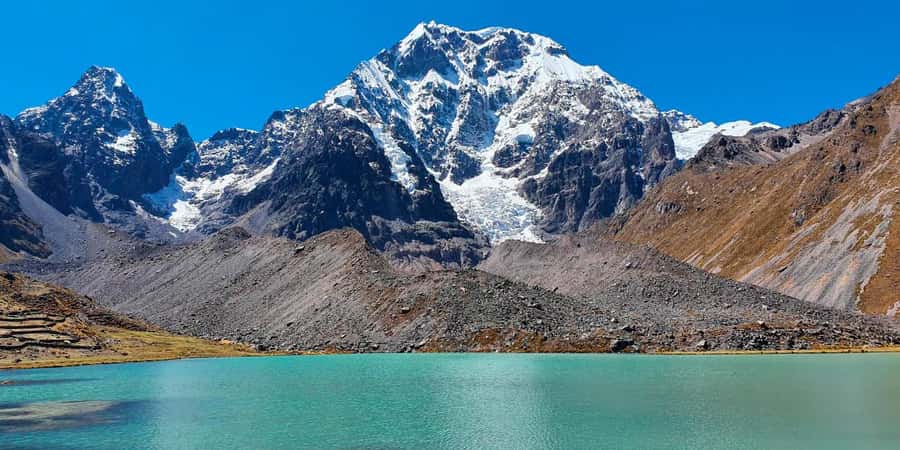
It constitutes one of the deepest and beautiful tubes of Peru. Its deeper part (3 400 m.s.n.m.) is located in the locality of Earthenware, almost to the provincial limit between Cailloma and Castilla. The tube is a geologic formation produced by a fault in the terrestrial crust, on where it continues acting the millenarian erosion of waters of the river of he himself name. The zone is surrounded by volcanos like the Coropuna, the Ampato and the Sabancaya.
Colca – Majes River – Rafting
Of the months December to March, the sportsmen who practice the canotaje, as long as they are expert and they count on great experience, can cross the high and average part of this river, explored by the Polish expeditions of 1979. It includes expresses of extreme difficulty and great isolation in certain sections, since the towns usually are very sections of the torrent. Although it is possible to cross the low part in rubber rafts. the section of the tube only can make it expert people and very experienced in sailing in kayak.
The Colca river changes of name in its reduction to the Pacific. After the tube it receives the name of Majes and it offers more viable options for his route in rubber raft for the tourist, as well as supply of shelters and facility of access. Although in his navigable section (river Andamayo - Aplao) it does not offer long expresses, the beauty of the landscape and the cleaning of their course allows to lower it with comfort. Its season also is ample of April to November and sometimes it extends to all the year.
subir
OTHERS ATTRACTIVENESS
Valley of Volcanos
Located to an altitude of 3 587 m.s.n.m the Valley of Volcanos was the center of uproarious convulsions of the Volcanic Mountain range. Like result, we can observe that one is based on a volcanic lava extension on which they have appeared around 86 small volcanos extinguished, that are as blisters emerged by the degassing of the same lava or like product of direct eruptions from the magma; its altitude arrives until the 300 meters, and has an approximated antiquity of two hundred thousand years, presumably as a result of one or two eruptions of Coropuna volcano, and other similars already destroyed.
Viewpoint of Tapay
It is a located natural observing point in the left margin of the Colca river, to an approximated height of 3 600 m.s.n.m. From this place it is appraised the depth of the Tube of the Colca, as well as the Mountain range of the Chila, and the archaeological sites of Kakatapuy, Otupara and Kosņirhua. The smaller town of Tapay, and its annexed or towns can also be distinguished.
Villages in Colca Velley
Throughout the valley
there are almost one twenty of villages and
settlers who conserve, more than in no other
region of the country, tracks of the ethnic
wealth of his past. The main ones are Chivay,
Cabanaconde. Huambo. Maca, - Achoma, Anvil,
Lari and Coporaque. One is deeply religious
towns and whose pure catholic faith
maintains alive in addition elements pre-Hispanic.
Each population has its own church,
depositaria of the Hispanic inheritance and
manifest unit of the sobriety and
architectonic purity based on the stone to
sillar, of volcanic origin.
subir
|