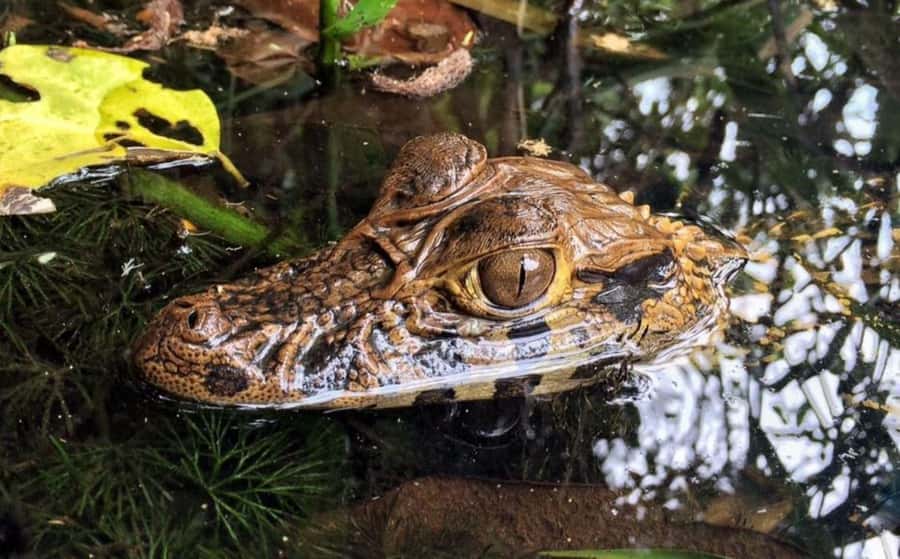
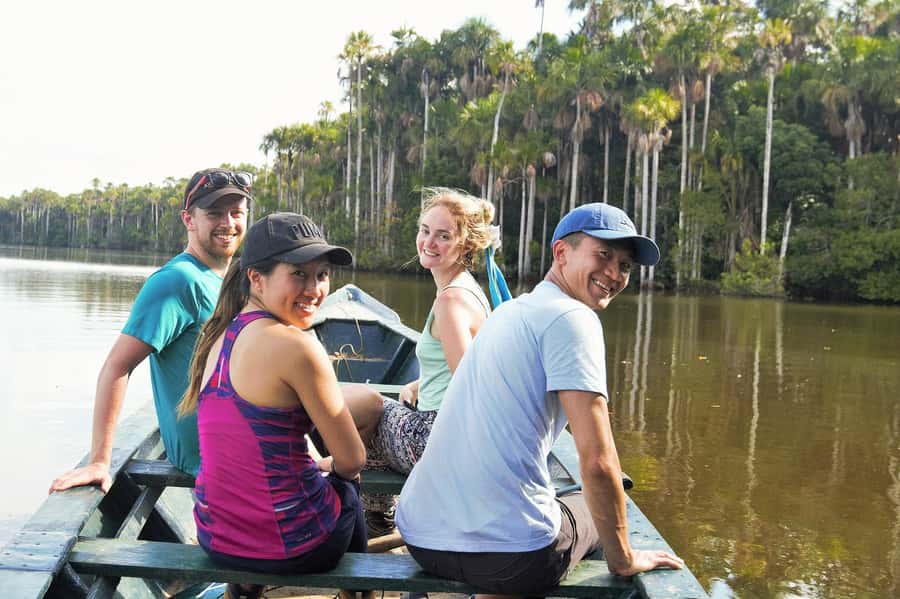
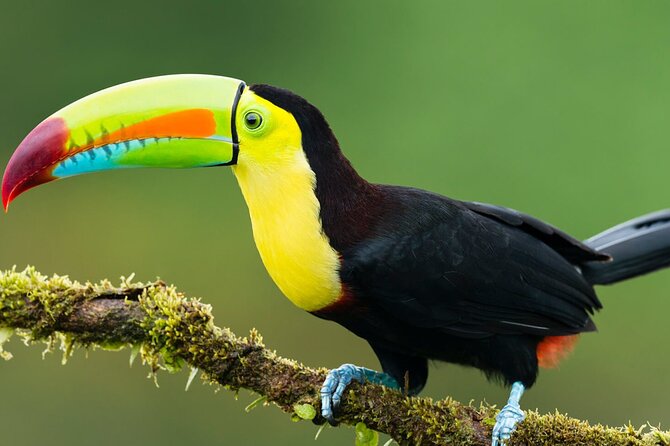
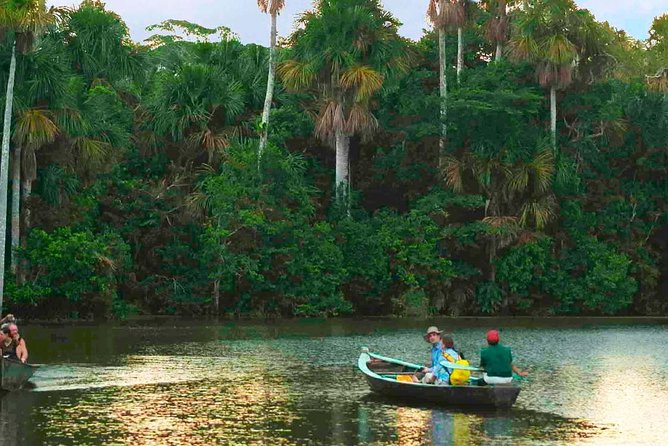
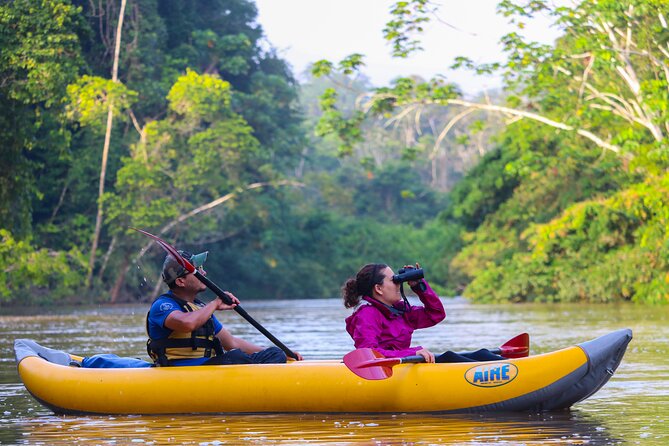
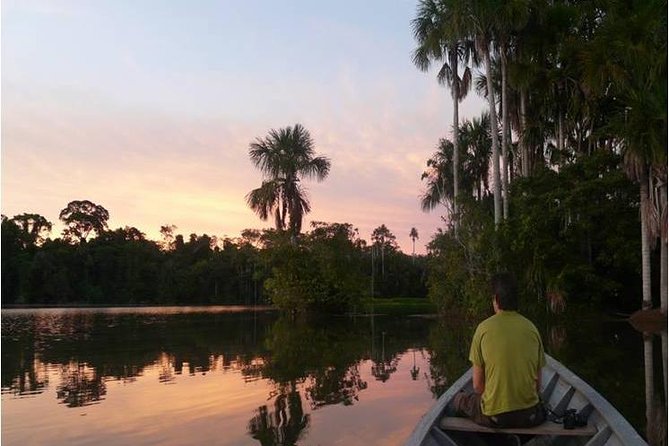
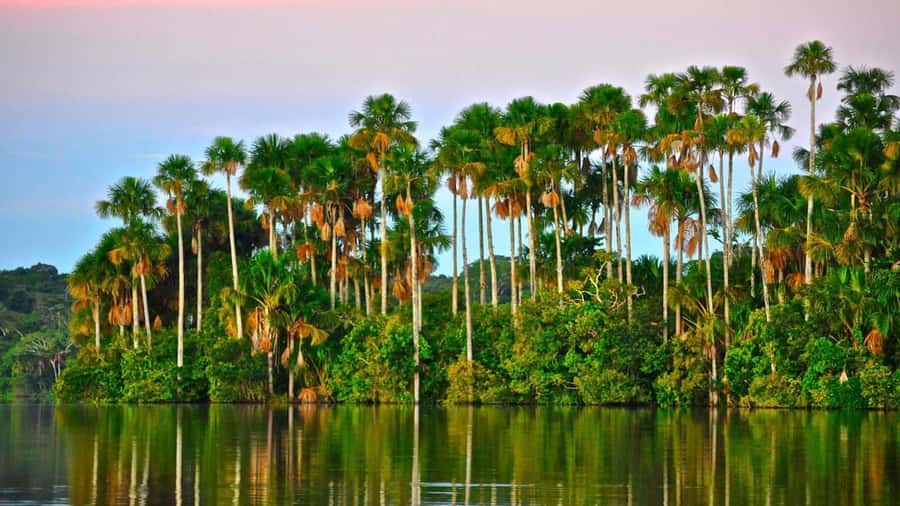
Peru's rivers are a source of life, beauty and fun . There is a river for everyone, Dry riverbeds which only receive water during the El Niņo phenomenon; there are rivers that are black, ruddy, white and cloudy; salty and bitter; navigable and torrential; tranquil and romantic, or sweeping like the Ucayali and the Amazon Rivers; and even sacred rivers like the Vilcanota, which flows through the Sacred Valley of the Incas. Many of Peru's rivers are born in the Andes. Water trickles down from the glaciers and frigid highland plains, swelling into streams and rivers as it flows ever further from its source. The water that brings life to Peru's territory flows down to the two oceans that surround South America. Before flowing into the Atlantic Ocean, some rivers link up with the Amazon River, which features the world's greatest flow-rate (over 170,000 cubic meters per second) and the greatest diversity of fish species (over 2,000 species). The beauty of Peru's river waters can be found in the canyons they have carved out over the course of centuries, in the waterfalls, in the teeming surrounding plantlife and the variety of fauna species that thrive in their waters. Some of the most important rivers include:
The Colca Canyon and Valley
Four hours north of Arequipa lies the impressive Colca Valley. The road to the valley crosses the lower slopes of Mount Chachani and runs along plains studded with ichu and yareta (plants used for fuel) and which are home to alpacas and vizcacha rodents. The road crosses a high point of 4,350 meters before dropping down to the valley, an area of breath-taking landscapes surrounded by terracing and snow-capped peaks. Far below, at a depth of 3,400 meters, the Colca River winds along the bottom of the canyon, one of the world's deepest. The valley features archaeological remains left behind by the Collagua, the ancient inhabitants of the area. These include cave paintings and grain storerooms known as colcas. There are 14 towns based on both riverbanks, towns which were founded in the sixteenth century to settle the Collagua natives who were scattered around the area. Despite the ravages of time, the towns have preserved their original characteristics, such as the outline of their streets, their richly-decorated colonial churches and traditional festivals. The area stands out for the superb regional arts and crafts such as carpets and embroidered clothing (like the skirts and blouses worn by the local women), which feature colorful designs, as well as items that have been sculpted and embossed in tin. Other folk art includes statuettes such as San Isidro el Labrador, plus candles and wooden sculptures. ASome 40 km from Chivay, the first of the towns along the way, stands a superb natural lookout point from where one can watch the condors wheeling over the valley, while in the distance one can spot the Coropuna and Ampato volcanoes. Several towns in the valley provide lodging, but one can also camp out and go trekking. The area is ideal for adventure sports.
Subir
The Cotahuasi Canyon and Valley
This Inter.-Andean valley, a 12-hour drive from Arequipa, is home to traditional villages, hot springs, the Sipia waterfalls and geological fault line in the canyon, which together with the Colca is considered one of the world's deepest. The breath-taking landscape, dominated by Mount Coropuna and Mount Solmana, is an ideal area for adventure sports like mountain biking, trekking and river rafting, among others. With a depth of 3,370 meters north of Arequipa, in the province of La Union, the Cotahuasi Canyon is considered the world's most spectacular and one of the deepest. Its striking natural attractions include The Sipia falls, the imposing Valley of Volcanoes, natural stone formations, hot springs and Puya Raimondi groves. Most tourists head down to the bottom of the gorge, along the river. The Sipia waterfall plummets down a 150-meter drop, often forming stunning rainbows which are a major attraction for visitors to the area. The region provides excellent opportunities for adventure sports such as trekking, river rafting, parapente, hang-gliding, mountain biking, rock-climbing, horse-riding and others. The Cotahuasi Valley is surrounded by picturesque villages featuring colonial churches, most of which have kept their traditional characteristics. Archaeological attractions range from cave paintings dating back thousands of years to superbly-made Inca roads and constructions. The cultural identity of rural communities in particular represents a unique attraction for visitors. Travelers can take in a variety of folk music and arts and crafts, in addition to delicious local wines. The Cotahuasi Valley is also famous for its woven carpets, an example of which is the 200 square-meter carpet which has been on display in the Presidential Palace since 1924
Subir
The Apurimac Canyon and Valley
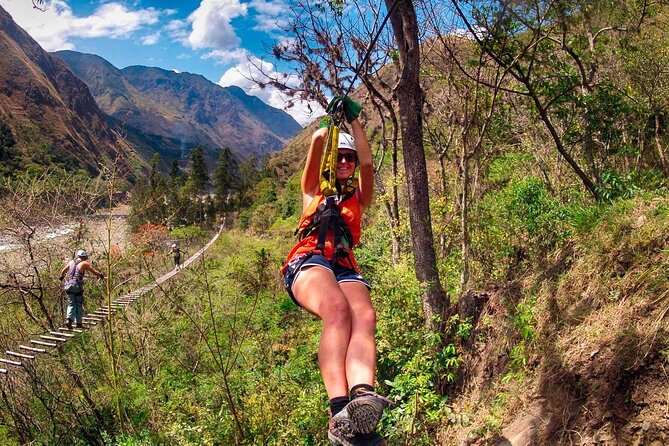
An impressive natural landscape 90 km (two hours) northeast of Abancay, along the dirt road to Cuzco. The valley can be reached via the Saywite highland pass in the district of Cachora (45 km from Abancay / 3,600 meters). This majestic natural phenomenon, surrounded by the Salcantay massif, is considered one of the world's deepest and most beautiful, littered with enormous boulders and teeming with plantlife. A hotspot for trekking and whitewater river rafting enthusiasts, the Apurimac is riddled with unparalleled rapids and Class V falls and is held to be one of the best all-round rivers. Nearby lie the Cconoc hot springs. And the archaeological site of Choqekiraw, "the cradle of gold" believed to have been the last refuge of the Incas. The canyon offers nature lovers a series of viewpoints from where one can gaze out over the stirring landscape, such as Condor Huachana, San Cristobal, Capitan Rumi, Taramocco, Capulioc, Kiuņalla, Cachicuna, Huascatay, among others. Other local attractions include bridges dating from different eras, built to overcome the obstacles of Nature with web-crafted structures. Some stand out for their simple design while others feature surprising dimensions as they span the raging river below.
Subir
|