separador

www.welcomeperutravel.com

Agencia de Viajes Welcome Peru Travel
Welcome Peru Travel - Travel Agency - Tour Operator

separadorEnglish | Español

| History of Peru | Peru Tours | Tourism in Peru | Hotels |
| Useful information | Biodiversity |

Welcome Peru Travel - Mapsite | info@welcomeperutravel.com| www.welcomeperutravel.com | Imagenes, Turismo Peru, Aventuraseparador


> Welcome Peru

separador

> About us

separador

> Useful Information

separador

> Map of Peru

separador

> Sitemap

separador

> Tourism in Peru

separador

Lima
Historic Center
Caral
Cusco
Machu Picchu
Inca Trail
Salcantay
Choquequirao
Puno
Titicaca Lake
Arequipa
Colca Canyon
Nazca
Nazca Lines
Paracas Reserve
Ballestas Islands
Chan Chan
Sipan Lord
Puerto Maldonado
Manu
Tambopata
Candamo
Iquitos
Pacaya Samiria
Tarapoto
Huaraz

separador

PERU TOURS
Packages Tourist

separador

HOTELS
IN PERU

separador

> Transport

Air Transport
Land Transport
- Trains
- Buses

separador
Galeria Fotos Peru, Imagenes Peru

Photo Gallery

separador
Calendario Turistico Peru, Fiestas, Costumbres, Regiones Peru

Tourist Calendar

separador

Clima del Peru, Regiones Peru, Costa Peru, Sierra Peru, Selva Peru
separador
Noticias Peru, Turismo, Actualidad Turistica
separador

Terms and
Conditions

separador

Testimonial


To: Gisella Rojas From: Nora….
Date: Friday, November 26th, 2004
at 07.28 a.m.
Re. Nora Perdomo Dear Guisella Just a few lines to thank you for the excellent service you provide us. Your representatives in Cuzco were just great. We are going to give our best recommendations about you. It is a shame we couldn’t spend more time in Cuzco, but it may be an excuse to go back again. Thanks for everything


Read +


separador
separador


NATIONAL RESERVES

These are natural areas devoted to the protection and propagation of animal wildlife whose conservation has been declared of national interest. Animal wildlife resources in national reserves may be used solely by the State, and only under special conditions. At present, nine national reserves protect about 2.51% of the national territory.


Pampas Galeras Barbara D'achile
The reserve covers an area of 6500 hectares, and the altitude varies from 3840 to 4150 masl / 12.598 to 13.615 fasl. The region, composed of an extensive plain with slight elevations, is surrounded by valleys and gorges. The weather is cold and dry with an average annual temperature of 7.9ºC (46.2ºF).

The reserve is a shelter for some 6000 vicuñas and home to other typical high Andean animals such as Andean foxes, pampas cats, Andean deer and vizcachas as well as a variety of birds like the Andean gull, the hummingbird, the Andean eagle, and the kestrel. The typical flora of the place is represented by natural grasses known as bunch grass, grasslands, and small forested areas containing species of quishuar and queñuales trees.

Each 24th June, the chaccu is celebrated, an ancient rite where the wool of the vicuña is sheered.

Location: Province of Lucanas - Departament of Ayacucho.
Area: 6 500 hectares
Altitudinal Rank: 3850 to 4150 masl.
Temperature: Between 8°C to 0 °C
Rainy Season: October to March
Season: April to September
Services: Information officce, hygienics services, radio Access from Lima: By Land, 5 hours to Nasca. From Nasca, 90 km to Puquio in 3 hours Activities: cultural activities, fauna observation, flora observation, long walking, study for investigation, photografy and filmations.
Administrative Office: Km 89.5 Way to Nasca - Puquio. fax: (066) 45-2139 Seat of the National Councilde of Sudamerican Camélidos - CONACS.


Subir


Junin
The reserve covers an area of 6500 hectares, and the altitude varies from 3840 to 4150 masl / 12.598 to 13.615 fasl. The region, composed of an extensive plain with slight elevations, is surrounded by valleys and gorges. The weather is cold and dry with an average annual temperature of 7.9ºC (46.2ºF).

The reserve is a shelter for some 6000 vicuñas and home to other typical high Andean animals such as Andean foxes, pampas cats, Andean deer and vizcachas as well as a variety of birds like the Andean gull, the hummingbird, the Andean eagle, and the kestrel. The typical flora of the place is represented by natural grasses known as bunch grass, grasslands, and small forested areas containing species of quishuar and queñuales trees.

Each 24th June, the chaccu is celebrated, an ancient rite where the wool of the vicuña is sheered. Categoria: Reserva Nacional

Location: Province of Junín - Departament of Junín. / Province of Cerro de Pasco. Departament of Pasco
Area: 53 000 hectares
Altitudinal rank: 4008 to 4125 masl.
Temperature: between 3°C to 7 °C
Rainy Season: December to April
Services: information officce, hygienic services, radio Access from Lima: By Land, 5 hours to Nasca. From Nasca, 90 km to Puquio ein 3 hours Activities: cultural activities, Fauna observation, flora observation, Long Walking, Study an tnvestigators, photografy and filmations
Administrative Office: Jr. Simón Bolívar west S/N cuadra 8, Junín. fax: (064) 34-4146 Cel. Jefe: 044-9996101 

Subir


Reserva Nacional de Paracas

Wedged in the middle of the coastal desert in the department of Ica, covering an area of 335 000 hectares, Paracas is the only national reserve that protects part of the Peruvian sea which is chilled by the cold Humboldt current. This unique area is home to some of the world's richest fishing grounds, which has been made possible by marine upswells which bring to the surface vast masses of plankton, a vital food supply for hundreds of fish species. Paracas is also home to guano-producing bird species and large colonies of sea lions, and is a haven for dozens of visiting migratory bird species and endangered species such as the marine wildcat or chingungo, the Humboldt penguin and pink flamingoes. The area also saw the rise of the Paracas culture, a major pre-Colombian civilization who left a legacy of superb textiles and items of pottery whose quality continues to astound visitors.

Location: District of Paracas, Province of Pisco, Departament of Ica.
Area: 335 000 hectares
Altitudinal Rank: 9 - 786 masl.
Temperature: 15.5 º C - 22 º C
Rainy Season: there isn't .
Season: January to April
Type of Entrance: Entrance Tariff
Tourist Circuit: La aguada (birds viewpoint), Punta Arquillo, La Mina, La Casita, Raspón, La Catedral, Supay, Los Frailes (All the year|
Duration: Valid for a day Adults: S/.20.00 - Children: S/.5.00
Acceso from Lima: By road: From Lima, drive 240 km / 149 miles south along the Pan-American Highway to Pisco and then into the Reserve. Boats to Ballestas Islands from El Chaco beach
Activities: camping, Sport Fishing
Administrative Office: Oficina Olva Currier of Pisco Telephone: Mov. 98072079 

Subir


Lomas de Lachay

A burst of greenery amidst the barren Peruvian coastal desert, the Lomas de Lachay - or Lachay foothills - are a unique natural life zone created by the condensed winter haze that shrouds the western Andean mountain slopes. On specific spots along the coast, the humidity carried to the mountains by the trade winds is deposited on the desert sand as drops of water that nurture a wide range of seasonal plants and associated animal wildlife. The most common plant species include sturdy tara and palillo trees as well as flowers, cacti and numerous fast-growth bushes like the stinging nettle and wild tobacco. Almost 60 bird species, the coastal fox, the (recently reintroduced) white-tailed deer, skunks and several types of rodents and lizards also are at home in the park. The coastal lomas have been visited and used by Peruvians since the dawn of time. Nomadic hunters and gatherers have left vestiges of their presence in rock carvings in the area.

Location: District of Chancay, Province ofHuaura, Departament of Lima.
Area: 5 070,00 hectares
Altitudinal Rank: 4125 - 4008 masl.
Temperature: max 10 º C /min 0 º C
Rainy Season: June - November
Season: June - November
Type of Entrance: Previous presentation of the ticket.
Entrance Tariff: Adult: 3 days: S/.10.00; 1 day: S/.5.00 Child: 1 day: S/. 1.50; 3 days: S/.4.00
Services: Shelters, Parking, Segurity, Hygienic Service and Police Position
Access: By road: Take the North Pan-American Highway from Lima to kilometer 105 and then a 3 km / 2 miles detour to the Reserve.
Activities: Fauna Observation, flora Observation, Landscapes Observation, birds Observation, Long walking , Butterfles Observación, studies for investigation, Photografies y films.
Administrative Office: Av. Santa Rosa 191, La Rivera - Chancay – Casilla 32 Chancay Telephone: 01) 377-1621

Subir


La Reserva del Titicaca

Located in the department of Puno, with a surface area of 36 180 hectares, the national reserve in practically its entirety covers the world's highest navigable lake. The Titicaca Reserve is split into two separate sectors: the first, which lies in the Bay of Puno itself, protects the totora reed clumps which provide sustenance to the Uros-Chulluni communities; the second, which is located in the Huancane area, features less-visited totora marshes, but which are equally rich in species and just as interesting. In the area there are 60 bird species, including the Titicaca grebe, 14 native fish species and 18 types of amphibians, including the giant Titicaca toad.

Location: Province of Puno and Huancane, Departament of Puno.
Area: 36 180 hectares
Altitudinal Rank: 3810 masl.
Temperature: In the neighborhoods and to the interior of the lake they vary between 14º C and 16º C and the monthly ones between -1 ºC and 3 ºC
Rainy Season: December to March.
Season: April - November
Services: Shelters, Rent boats, stores of food and drinks, hygienics services, Segurity, Radio.
Acceso from Lima: By air: Flights from Lima and Arequipa to Juliaca (Puno). By train: Along the Cusco-Puno railway (10h). By land: From Cusco, Arequipa and Lima.
Activities: camping, Sport Fishing, cultural activities, Fauna observation, flora observation, Long Walking, Study an tnvestigators, photografy and filmations
Administrative Office: Pasaje 2 de Febrero Nº 154 Puno.
Attention : Mon. – Sun 8:00 - 13:00 / 15:00 - 17:00 hrs.
Telephone: Telf:(051) 35-4003 

Subir


Salinas y Aguada Blanca

The reserve covers almost 367.000 hectares, including territory from the Provinces of Arequipa, Caylloma (department of Arequipa), and General Sánchez Cerro (department of Moqueqa). It was created for the purpose of preserving important associations of flora and fauna, protecting the natural environment that was deteriorating and in the process of being destroyed, as well as caring for the vicuña through a repopulation program. The reserve is located between 2800 and 6050 masl (9186 and 19.849 fasl) and the Misti (5825 masl / 19.111 fasl), the Chachani (6075 masl / 19.931 fasl), and the Pichu-Pichu (5664 masl / 18.583fasl) volcanoes are found there.

Among the most representative species of the reserve are the vizcacha, the fox, the condor, and the Andean flamingo or parihuana. Scientists have determined the existence of 169 animal species, 23 of which are mammals (including two forms of domesticated South American camelids), 138 species of birds (blue billed ducks, eagles, and kestrels are the trophies), 3 reptilians, 4 amphibious, and 3 fish species. Salinas Lake is considered a special spot to observe flamingos during their migration period.

Location: Province of Arequipa, Departament of Arequipa and Moquegua.
Area: 366 936 hectares
Altitudinal Rank: 2800-6050 masl.
Temperature: The zone presents average temperatures annual that fluctuate between 3°C and 8°C with absolute minims that arrive until -10°C. The absolute principles vary between 13° and 15°C.
Rainy Season: January to March.
Season: April - December
Services: Information Office Shelters, Rent boats, stores of food and drinks, hygienics services, Segurity, Radio.
Access: By road: The Arequipa-Yura- Cañahuas 80 km / 50 miles road can be traveled in 1:30 h. The 75 km / 47 miles “Arequipa - Chiguata - Puesto de Control de Salinas Huito” trip takes about 2:30 hours.
Activities: Andinism, long walking, biking, camping, rappel, festivities and fairs, agrotourism.
Administrative Office: Urb. La Marina C-3, Cayma, Arequipa. Telephone: 25-7461 

Subir


Reserva Nacional de Calipuy

This bio-geographical area located between 840 and 3600 masl / 2756 and 11811 fasl, spreads over 4500 hectares. It shelters and protects one of biggest existing forests of the bromeliad, Puyas de Raimondi, along with Andean animal species like the Guanaco. Its climate is characterized by abundant rains betweenDecember and April. It is located in a wet highland moor, in the Suni Region.

Location:District of Chao and Santiago de Chuco, Provincia Virú and Santiago de Chuco, Departament: La Libertad.
Area: 64 000 hectares
Altitudinal Rank: 400-4000 masl.
Temperature: In the high part, of 18 -5º Cs to ºC. In the low part, of 12 ºC to 28º C.
Rainy Season: November to March
Season: April - October
Type of Entrance: Semi Restringed
Services: Shelters and Police Position Access: 164 km / 102 miles east of Trujillo until the city of Santiago de Chuco (8 hours by car)
Activities: fauna Observation, flora Observation, Landscapes Observation, birds Observation, Long walking, studies for investigation, Photografies y films.
Administrative Office: Calle Alfonso Ugarte Nº 890. Sede de la Agencia Agraria , Santiago de Chuco.
Telephone: (044) 34-0521


Subir


Pacaya Samiria

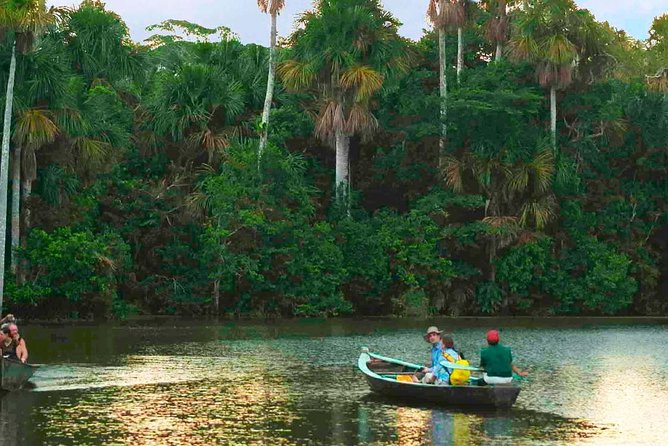
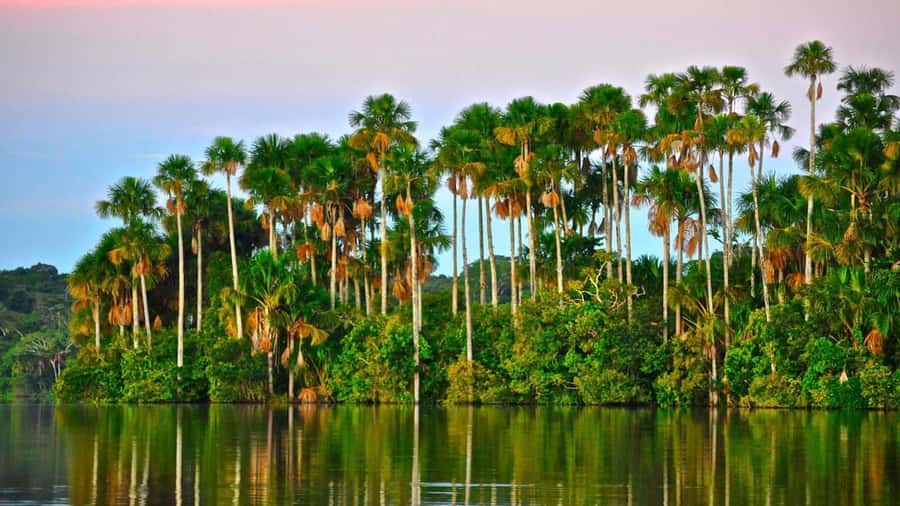
Comprising a large part of the provinces of Loreto, Requena, Ucayali, and Alto Amazonas, it has an area of 2’080.000 hectares making it the largest in the country and in South America. It is also known as the most extensive area of protected floodable forest (vareza) in the Amazon Rainforest. It is bordered by two large rivers: the Marañon in the north and the Ucayali – Puinahua Canal to the south.

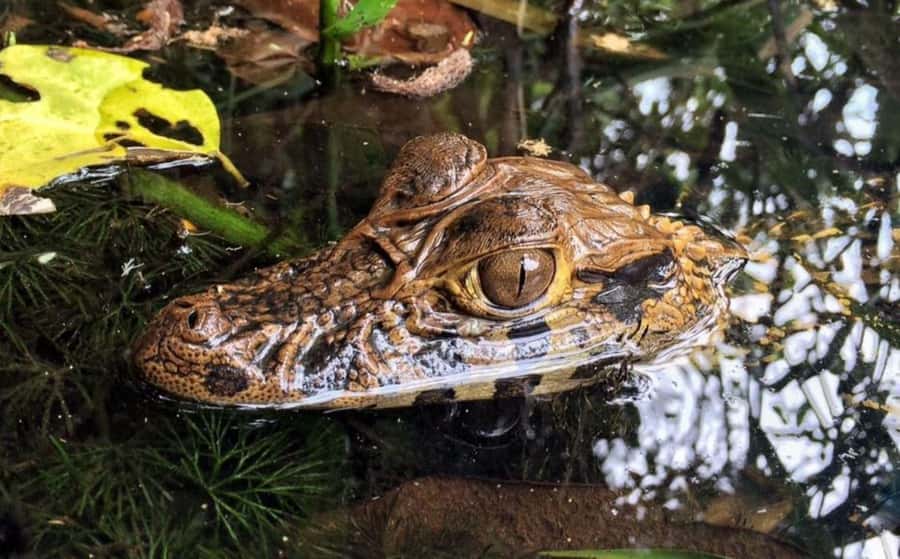
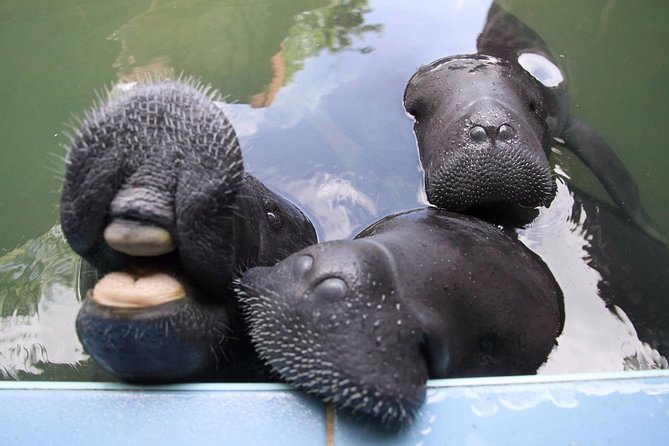
Inside the reserve, there are three river basins: the Pacaya River basin, the Samiria River basin, and the Yanayacu-Pucate River basin. There are also numerous lakes, gorges, canals, and oxbows. It has an annual monthly temperature between 20ºC (68ºF) and 33ºC (91ºF) and an annual rain fall of 2000 to 3000 millimeters, which allows for its huge biodiversity: 449 bird species, 102 mammal species (among them the pink dolphin), 69 species of reptiles, 58 species of amphibians, 256 fish species, and 1024 species of wild and cultivated plants. The reserve is a refuge for different endangered species like the charapa turtle (Podocnemis expansa), the spider monkey (Ateles sp.), the giant river otter (Pteronura brasiliensis), the red macaw (Ara macao), cedar trees (Cederla odorata), and others.

Furthermore, there are diverse protection and natural resource management projects like the one aimed at repopulating the taricaya and the charapa river with turtles in the artificial beaches of the reserve. It is truly amazing to watch the final stage of the process, the freeing of the newborns into the rivers, gorges, and lakes of the reserve. The level of involvment of the local population is remarkable. On the edges of Pacaya-Samiria on the banks of the Marañon and Ucayali Rivers, more than 42.000 people live grouped in ninety-four communities and another 50.000 inhabit the 109 villages in the buffer zone. Almost all of them make a living from fishing, farming, or hunting and wild fruit and greens picking.

Location: Province of Loreto, Requena, Ucayali, Alto Amazonas- Departament of Loreto.
Area: 2 080 000 hectares
Altitudinal Rank: 83 to 160 masl.
Temperature: 34°C
Rainy Season: October to April
Season: March to September
Type of entrance: With a Ticket 8 days - 7 nigths: S/. 100.00; Aditional day: S/.15.00
Services: Information officce, hygienics services, radio
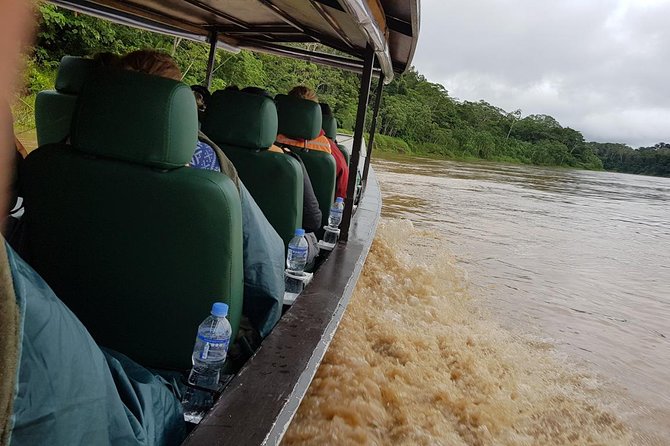
Access from Lima: By air: Daily flights to Iquitos from Lima (1:30 hours). By river: the only way to reach the reserve, along the Iquitos-Nauta - Río Samiria route (28 h by motor boat and/or 7 hours by speed boat) down the Amazon and Marañón rivers. Alternatively, along the Iquitos-Requena-Río Pacaya route (36 h by motorboat or 9 h by speed boat).
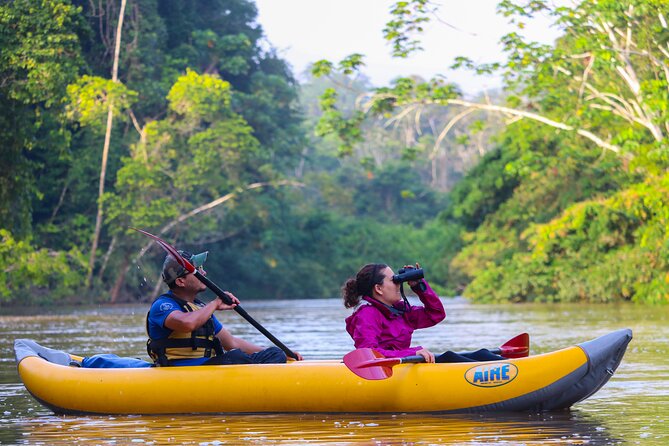
Activities: Trekking, camping, Espeleology, fauna observation, flora observation, long walking, study for investigation, photografy and filmations.
Administrative Office: Calle Putumayo 1156 – Iquitos fax: (065)-232980


Subir


Tambopata

This bio-geographical area located between 840 and 3600 masl / 2756 and 11811 fasl, spreads over 4500 hectares. It shelters and protects one of biggest existing forests of the bromeliad, Puyas de Raimondi, along with Andean animal species like the Guanaco. Its climate is characterized by abundant rains betweenDecember and April. It is located in a wet highland moor, in the Suni Region.

Location: Provincia Tambopata, DepartamentMadre de Dios
Area: 274 690hectares
Altitudinal Rank: 200 - 400 masl.
Temperature: 10ºC y los 38ºC
Rainy Season: December to March
Season: April - November
Type of Entrance: With a Ticket Entrance Tariff: Adult: 1 day: S/. 30.00;
2 - 4 days: S/. 65.00; 5 days: S/. 100.00.
Services: Shelters and Police Position
Access: 45 km / 28 miles south of Puerto Maldonado (2 hours by motorboat). There is also an alternative route: 25 km / 16 miles by land (by 4x4 vehicle) to the community of Infierno and then a river crossing to the reserve (2 hours by 55 HP motor boat)
Activities: Fauna Observation, flora Observation, Landscapes Observation, birds Observation, Long walking , Butterfles Observación, studies for investigation, Photografies y films.
Administrative Office: Jr. Cusco 165 – Puerto Maldonado. Telephone: (044) 34-0521

Subir


Allpahuayo - Mishana

This reserve of barely 58.000 hectares protects the largest concentration of white sand forests or “varillales” known in the Peruvian Amazon Rainforest. Here live numerous one-of-a-kind species of plants and animals. Protected here is also a specimen of forests flooded by the black waters of the Nanay River, unique to the Peruvian Amazon Rainforest. This reserve contains an enormous and peculiar biological wealth and numerous endemic plant and animal and restricted distribution species stand out, many of them still without scientific classification. Up to now, there have been more than 1780 plant species, 522 butterfly species, 155 species of fish, 83 species of amphibians, 120 reptile species, 476 bird species, and 145 species of mammals registered; the most important ones among them are the equatorial sakis (Pithecia aequatorialis) and the black titi monkey (Callicebus lucifer). New plant and animal species are continually being discovered. Among the birds, there are two dozens noteworthy species living in the white sand forests, unknown in Peru until just recently. In the last five years, four new bird species have been described by scientists associated with white sand forests. Three are ant eating species (Herpsilochmus gentryi, Percnostola arenarum, and Myrmeciza castanea) and the other eats flies and other insects (Zimmerius villarejoi). There is a fifth one that now has a scientific description (Polioptila clementsi). To these, we have to add another dozen bird species that were unknown to Peru until recently like the beautiful pompadour cotinga.

Location: District of Napo, Provincia of Maynas, Departament of Loreto
Area: 58 069.25 hectares
Altitudinal Rank: 104 - 185 masl.
Temperature: 15º min
Rainy Season: March, July and December
Type of Entrance: With a Ticket Entrance Tariff: -Adult S/ 10.00 (valid for 3 days) -Adult S/ 5.00 (valid for 1 day) -Child S/ 1.50 (valid for 1 day) -Chilc S/ 4.00 (valid for 3 days)
Services: Shelters and Police Position
Access: The entrance is 26,5 km / 16 miles from Iquitos on the Iquitos-Nauta highway (30 minutes by car). Leaving from the Bellavista Nanay port, it takes 2 to 3 hours depending on the size of the engine. Activities: Fauna Observation, flora Observation, Landscapes Observation, birds Observation, Long walking , Butterfles Observación, studies for investigation, Photografies y films.
Administrative Office: Av. Abelardo Quiñones Km. 2.5 Iquitos. Telephone: 065-265515 anexo 207 

Subir


Biodiversity

  Home


separador


Peru Tours | Tourism in Peru
Contact us | Term and Conditions


Lima | Historic Center | Caral | Cusco | Machu Picchu | Inca Trail | Salcantay | Choquequirao | Puno
Titicaca Lake
| Arequipa | Colca Canyon | Nazca Lines | Nazca | Paracas Reserve | Ballestas Islands
Sipan Lord | Puerto Maldonado | Manu | Tambopata| Candamo | Iquitos | Pacaya Samiria | Tarapoto | Huaraz

Recurses 1 - 2 - 3 - 4 - 5

Welcome Peru Travel - Lima  | Reserved Rights
Calle Sta. Felicidad 270 - 2do piso Urb. Pando 3ra etapa . Cercado de Lima - Peru
info@welcomeperutravel.com | www.welcomeperutravel.com | Telefonos (51-1) 564-5710