separador

www.welcomeperutravel.com

Agencia de Viajes Welcome Peru Travel
Welcome Peru Travel - Travel Agency - Tour Operator

separadorEnglish | Español

| History of Peru | Peru Tours | Tourism in Peru | Hotels |
| Useful information | Biodiversity |

Welcome Peru Travel - Mapsite | info@welcomeperutravel.com| www.welcomeperutravel.com | Imagenes, Turismo Peru, Aventuraseparador


> Welcome Peru

separador

> About us

separador

> Useful Information

separador

> Map of Peru

separador

> Sitemap

separador

> Tourism in Peru

separador

Lima
Historic Center
Caral
Cusco
Machu Picchu
Inca Trail
Salcantay
Choquequirao
Puno
Titicaca Lake
Arequipa
Colca Canyon
Nazca
Nazca Lines
Paracas Reserve
Ballestas Islands
Chan Chan
Sipan Lord
Puerto Maldonado
Manu
Tambopata
Candamo
Iquitos
Pacaya Samiria
Tarapoto
Huaraz

separador

PERU TOURS
Packages Tourist

separador

HOTELS
IN PERU

separador

> Transport

Air Transport
Land Transport
- Trains
- Buses

separador
Galeria Fotos Peru, Imagenes Peru

Photo Gallery

separador
Calendario Turistico Peru, Fiestas, Costumbres, Regiones Peru

Tourist Calendar

separador

Clima del Peru, Regiones Peru, Costa Peru, Sierra Peru, Selva Peru
separador
Noticias Peru, Turismo, Actualidad Turistica
separador

Terms and
Conditions

separador

Testimonial


To: Gisella Rojas From: Nora….
Date: Friday, November 26th, 2004
at 07.28 a.m.
Re. Nora Perdomo Dear Guisella Just a few lines to thank you for the excellent service you provide us. Your representatives in Cuzco were just great. We are going to give our best recommendations about you. It is a shame we couldn’t spend more time in Cuzco, but it may be an excuse to go back again. Thanks for everything


Read +


separador
separador


NATIONAL PARKS


These are areas designated as intangible for the absolute protection and preservation of the animal and plant wildlife associations they shelter and the beauty of the scenery surrounding them. Both the direct use of natural resources and human settlements are strictly forbidden in National Parks.

Only visitors pursuing scientific, educational, recreational and cultural (tourism) objectives are allowed to visit these conservation units under special conditions and control. The existing ten national parks give protection to 4.13% of the national territory.


Cutervo National Park

Created in 1961, Cutervo was the first National Park of Peru. Its 2500 hectares contribute to conserve the habitat of the flora and fauna species that populate the Taros Mountain Range rainforest, in particular the “guacharos” night birds that feed on forest fruit, but also the populations of Andean cock-of-the-rock in the La Capilla area, tigers, spectacled bears, and tapirs. The San Andres caves are renowned among world speleologists.

Its purpose is to protect and preserve the flora and fauna characteristic to the Tarros mountain range. The area is a refuge for jaguars, little spotted cats, spectacled bears, nutrias, and others. One of the main attractions is the oilbird, which is nocturnal and lives in the GuacharosCaves. The exotic places to see are the vista of the grasslands and the dwarf and mist forests

Location: Departament of Cajamarca, province of Cutervo, distritc of San Andrés de Cutervo.
Area: 2.500 hectares
Altitudinal Rank : 2350-3350 masl.
Temperature: 13.8°C (Annual Average)
Rainy season: December to March
Season: April to October
Type of Entrance: Free
Access: To 56 km (3 hours) of San Andrés de Cutervo, to 6-8 hours of the city of Chiclayo (particular automobile - public bus)
Administrative Office: Jr. Ramón Castilla 355- CUTERVO- Cajamarca. Telephone: (076) 43-7457

Subir


Tingo Maria National park

It is made of a mountain chain known as La Bella Durmiente (Sleeping Beauty) since its tops form the profile of a sleeping woman. You can find a wide variety of wildlife in the park with over 104 species of animals like fish, frogs, reptiles, birds, and mammals. There are different attractions to be visited like the Cave of Las Lechuzas (barn owl), the Cave of Las Pavas (guans), and the Jacintillo sulfurous waters.

Cave of the Lechuzas Located in the foothills of La Bella Durmiente, it is the main entrance to a subterranean cave system found inside the mountains. The cave is home to an important colony of birds called guachanos or santanas (similar to barn owls) as well as parrots, swallows, and bats.

Cave of the Pavas It is located at the end of a deep and narrow gorge where a tiny stream forms beaches and wells surrounded by plants. In one of the pools, you can make out a natural formation that looks like the body of a woman, which is locally known as “The Goddess of the Water”.

Location: Departament of Huánuco, province of Leoncio Prado, distritcts of Mariano Dámaso Beraún.
Area: 4.777 Hectares
Altitudinal Rank: 650 to 1808 masl.
Temperature: 24.5ºC
Rainy Season : December to March
Access: Located to 1 km to the southwest of the city of Tingo Maria. Activities: Trekking
Administrative Office: Seat of the Ministry of Agriculture- Av. Sveen Ericsson Nº 164 – Tingo Maria. Telephone: (062) 56-3559


Subir


Manu National Park

Comprised in the Manu Biosphere Reserve and a UNESCO Humankind Natural Heritage site since 1987, the park’s vast animal and plant diversity thrive in the site’s more than 1.76 million hectares ranging from high Andean to tropical rainforest ecosystems where trees tower above 45 meters / 146 feet.

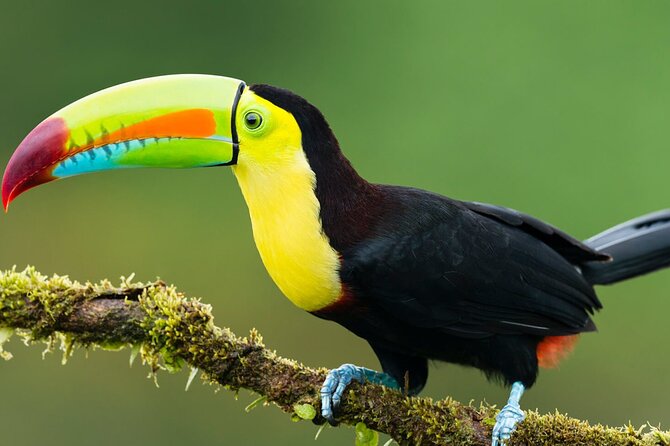
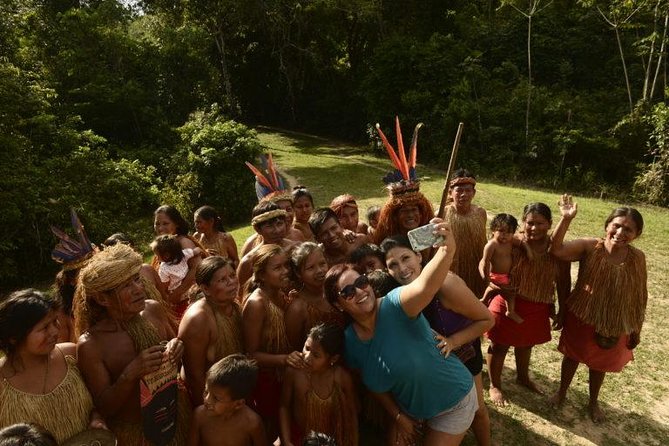
Numerous mammals (200 species), insects (one million), fish (120 types) and birds (1000). Varieties include giant otters, spectacled bear, pumas, jaguars, caimans, harpy eagles and maquisapa monkeys. Its wealth comes not only from nature but also from the cultures of 30 indigenous peasant and Amazon Indian communities living within its borders. Scenic sites include the Jaguar and Salvador oxbow lakes, the macaw clay lick and the painted stones of Pusharo.

Ubication: Departaments of Cusco and Madre de Dios, province of Paucartambo, districts of Paucartambo and Piscota.
Extension: 1 717 295.22 hectares
Altitudinal Rank: 250-4050 masl.
Temperature: 10°C to 35°C
Rainy Season: January to March
Season: April - December.
Entrance Tariff: Manu River: S/.150.00 Acjanaco Sector: S/.10.00
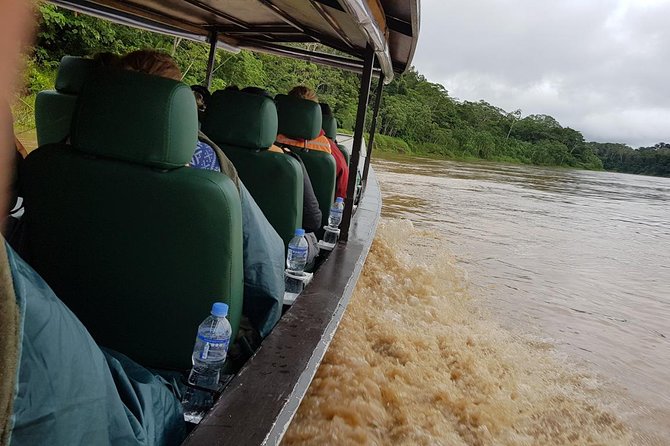
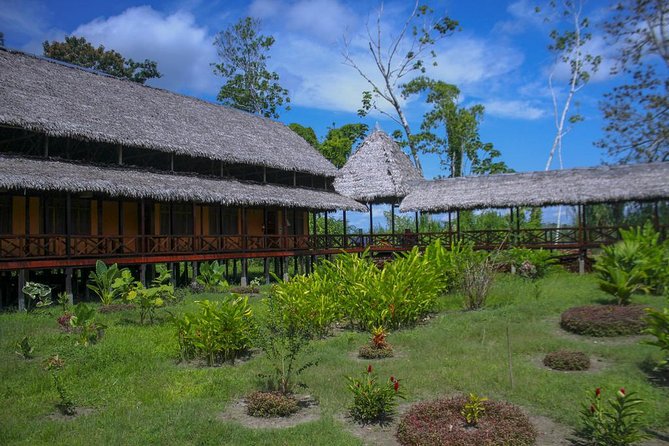
Services: Shelters, Police Position, interpretation Center, Hygienic Services, Life-guard, Radio Services outside the attractiveness: Rent of boats and/or boats. Access: From Cusco: By road and river: Land travel from Cusco to Shintuya and then by boat from Atalaya to Boca Manu (7 hours), Itahuania (6 hours) to conclude the 287 km / 178 miles trip.By air and river boat: by light plane from Cusco to Boca Manu (30 minutes) and then by motor boat to the camp site (6 hours).
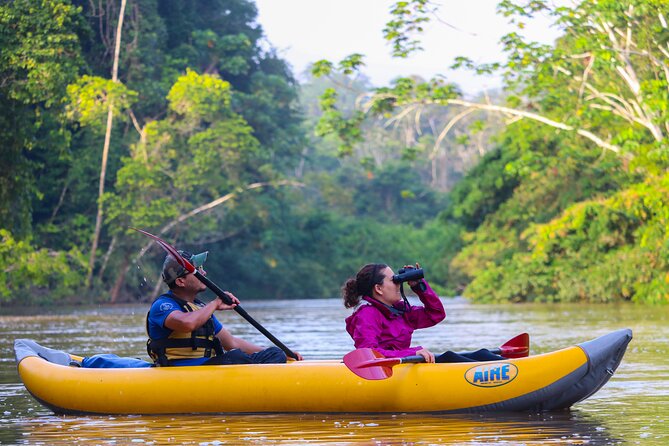
Activities: observation of fauna, observation of flora, observation of the landscape, observation of birds, long walk, camping, studies of investigation, taking of photographies and make films.
Administrative Office: Micaela Bastidas 310 -Wanchak, Cusco. fax: (084) 24-0898


Subir


Huascaran National Park

There are different entrances to the park to be chosen according to the interest of the visitor. The most important entrances are the one by the Llanganuco sector, where Lake Chinancocha is (beautifully turquoise in color), that of Orconconcha, and the entrance by the Carpa sector, which allows access to snow capped Mount Pastoruri.

The park was created in 1975 with the purpose of preserving the wild animal and plant life, geological formations, archeological sites, and beautiful scenery. UNESCO placed it on the Natural World Heritage List in 1985. Inside the 340.000 hectares, which include almost the entire White Cordillera, you can observe the great variety of high Andean plant life like the Puyas Raimondi in the areas of Quesque and Pumapampa (this flower is considered the biggest in the plant realm, and once it has blossomed, the plant dies), and the queñual trees in the Llanganuco Lakes.

Among the 296 lakes of the park, the most outstanding are Paron, Culliconcha, Llanganuco, Auquiscocha, Rajucolta, Querococha, and Cuchillococha. Of its 663 glaciers, the most impressive are Huascaran (6768 masl/ 22.199 fasl), Huandoy (6395 masl / 20.976 fasl), Chopicalqui (6354 masl / 20.841 fasl), Hualcan (6122 masl / 20.080 fasl), and Alpamayo (5947 masl / 19.506 fasl).

It also houses a great diversity of birds and animals such as pumas, deer, Andean cats, and three endangered species, the spectacled bear, the Andean deer, the Andean condor

Location: Province Huarás - Departament Ancash .
Area: 340.000 hectares
Altitudinal Rank: 2400-6768 masl.
Temperature: -2 °C to 15 °C
Rainy Season: May - October
Services: hygienic services, life-guard, radio, shelters, information officce, police
Access: From Huarás: Particular Cars- Turistic Bus: 22 km. Time: 40 minutes Activities: observation of fauna and flora, observation of birds, andinism, long walk, cycling, rappel, strolls in bicycle, strolls to horse, sandboard, trekking, taking of photographies and films, strolls in boat by the Andean lagoons high
Administrative Office: Federico Sal y Rosas Nº 555 Huarás.
Telephone: (043) 42-2086 fax : (043) 42-2086


Subir


Cerros de Amotape National Park

This park is spread out over 91.300 hectares and is located at the border of the Departments of Tumbes and Piura. The altitude varies from 120 masl / 394 fasl (Rica Playa) to 1538 masl / 5045 fasl (Cerro Campana), and its diverse geography combines dry tropical forests with the mountains of the North Peruvian Cordillera or the Amotapes Mountains.

These mountains gather a large amount of biodiversity. Carob trees, spruce trees, charan trees, sapote trees, pasallo trees and guayacán trees grow there. The wildlife is very diverse and includes species representative of tropical forests, arid zones, and the Andean mountain ranges such as the Andean condor, the little spotted cat, the red deer, the percari, the northern anteater, the spectacled bear, the gray deer, the Guayaquil squirrel, and the scarlet macaw.

The ecological importance of the area has allowed it to be considered as part of the Northwest Peruvian Biosphere Reserve. There are many different circuits you can take to hike around the mountains and gorges allowing you to observe the equatorial dry forest flora and fauna and to navigate through the Tumbes River canyon, an impressive site on the Peruvian coast.

The zone can be visited all year round, but it is difficult to get there during the rainy season (January – March) or when El Niño phenomenon strikes.

Location: Province Contralmirante Villar-Sullana - Departament of Tumbes.
Area: 91 300 hectares
Altitudinal Rank: 75-1550 masl.
Temperature: Between 23°C y 24 °C
Rainy Season: December to March
Services: Hygienic Service, segurity, radio, etec.
Access from Tumbes: Distance: 1 270 km from Lima to the city of Tumbes. At 35.4 km from the city by the way to Rica Playa. Time: 1 hour 20 minutes.
Activities: rafting, fauna observation , flora observaction , landscape observation, birds observaction, long walking, camping, study investigation.
Administrative Office: Av. Tarapacá Nº 427. Tumbes – Seat of Regional Direction of Agriculture. Telefax : (072) 52-6489


Subir


Yanachaga Chemillen

The Park covers 122.000 hectares. Its name comes from the Quechua word Yanachaga, “black” and the Yanesha word Chemillén, “burnt”. Both names allude to the dark colors of the mountains. Thanks to the different altitudes, there are several types of landscapes in the park from Andean altiplano (high plateau) and feather grass prairies to tropical and cloud forests.

The plant life mainly censists of ulcumano trees, diablo fuerte pine trees, cedars, walnut trees, and oaks. In addition to these, there are mosses, ferns, orchids, bromeliads, bushes, and reeds. The wildlife counts with fifty-nine species of mammals like the giant river otter, the jaguar, the spectacled bear, the dwarf brocket deer, and the giant rat. Unfortunately, each of these species is endangered.

There are also 427 registered bird species like the harpy eagle, the Andean rock-cock, and the blue-crowned motmot, and there are more than thirty-one species of fish like the white sea bass, the boquichico, and the white mullet. In order to enter the park, you need an authorization from the National Park Office in Oxapampa.

Location: District of Oxapampa, Provincce of Oxapampa, Departament of Cerro de Pasco.
Area: 122 000 hectares
Altitudinal Rank: 460- 3643 masl.
Temperature: 19°C
Period of rains: November to April
Season: High Season (aniversary of Oxapampa and Pozuzo) July, August.
Entrance tariff : For day of visit - Older than 12 years: S/. 5.
Between 6 and 12 years: S/. 1.50
By camping - Until by three days:
Older than 12 years: S/. 10, Between 6 and 12 years: S/. 4
Access: By Land: Bus direct to Oxapampa. Making the scale in la Merced and take connection to Oxapampa
Administrative seat: Jr. Pozuzo cuadra 3 s/n – Oxapampa attention schedule: Mon- Fri 8:00am- 5:30pm fax: (063) 46-2544


Subir


Bahuaja Sonene
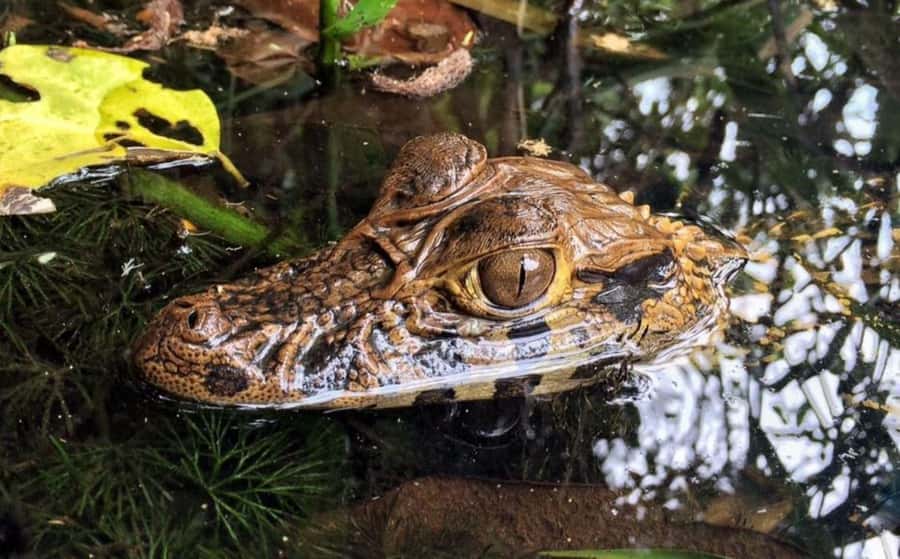
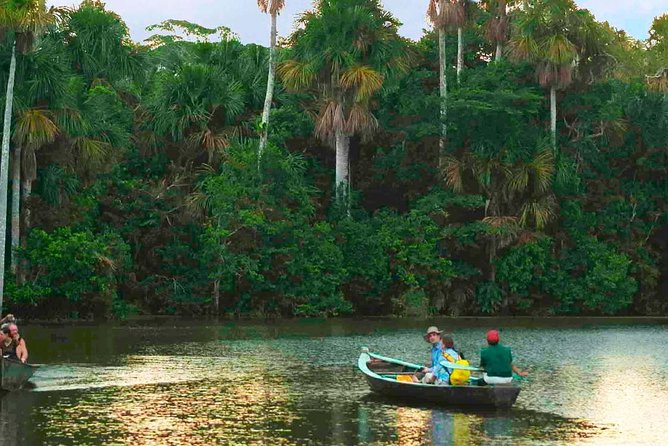
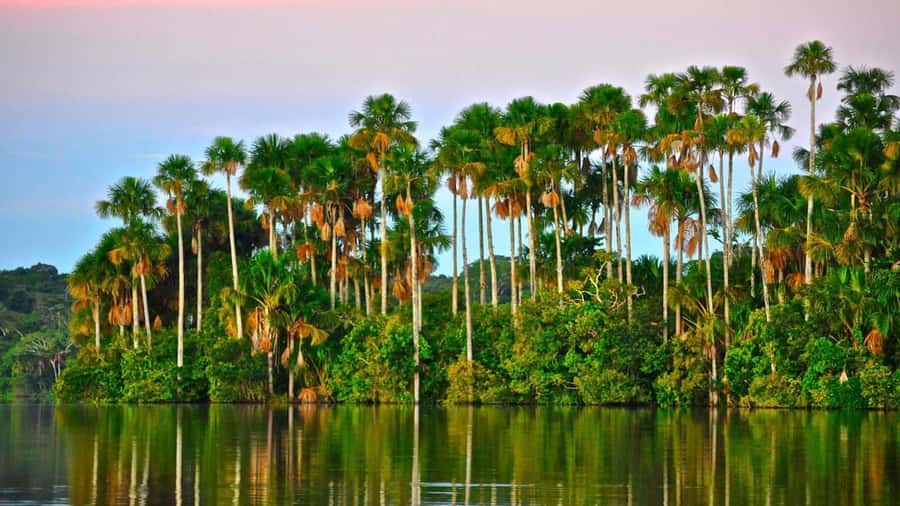
This national park was established in order to protect the only tropical humid savanna that exists in Peru. The park is located between the Madre de Dios and Puno departments in the provinces of Tambopata, Carabaya, and Sandia. It has an area of 1’091.416 hectares, and part of it is in Bolivia. The most important animals that can be found there are the maned wolf, the marsh deer, the giant anteater, the river wolf or giant otter, the bush dog, the black caiman and the harpy eagle.

Location: Province of Tambopata, Departament of Madre de Dios.
Area: 1´091.416 hectares
Altitudinal Rank: 200-2450 masl.
Temperature: 10°C to 30°C
Rains Seasom: Dicember to March
Season: April - November.
Type of Entrance: It varies according to the area of touristic use Entrance Tariff
Entrance for Investigation : National Investigators: S/. 340. All Inevstigators: S/. 510. Tourists: Previous presentation of the ticket Collpa Chuncho - Collpa Colorado:S/. 100.00 (5 days) Lago Sandoval - Collpa Chuncho: S/. 65.00 (5 days) Alto Tambopata-Collpa Colorado:S/. 150.00 (7 days).
Services: Shelters, Police Position, interpretation centers , Radio, hygienics services, Segurity, Life-guard.
Access: Distance: 90 km from the city of Puerto Maldonado. Type of transport: Boat Time: 4 hours Activities: fauna Observation, flora Observation, Landscapes Observation, birds Observation, Long walking , Butterfles Observación, studies for investigation, Photografies and films.
Administrative Office: Park Headquarters, Jr. Cusco Nº 165, Puerto Maldonado fax: (082) 57-3278


Subir


Biodiversity

  Home


separador


Peru Tours | Tourism in Peru
Contact us | Term and Conditions


Lima | Historic Center | Caral | Cusco | Machu Picchu | Inca Trail | Salcantay | Choquequirao | Puno
Titicaca Lake
| Arequipa | Colca Canyon | Nazca Lines | Nazca | Paracas Reserve | Ballestas Islands
Sipan Lord | Puerto Maldonado | Manu | Tambopata| Candamo | Iquitos | Pacaya Samiria | Tarapoto | Huaraz

Recurses 1 - 2 - 3 - 4 - 5

Welcome Peru Travel - Lima  | Reserved Rights
Calle Sta. Felicidad 270 - 2do piso Urb. Pando 3ra etapa . Cercado de Lima - Peru
info@welcomeperutravel.com | www.welcomeperutravel.com | Telefonos (51-1) 564-5710