Peru although located in a tropical latitude, the
climate is modified by the varying altitudes of the Andean mountains,
which impede or deviate the winds.
The ocean currents (The cold
Humbolt coming from the south and the warm el Niņo from Ecuador are also
responsible for changes to the normal climate of this latitude creating
a diversity of landscapes, each with its own flora, fauna, agricultural
and forestal qualitites.
Almost 80% of the world's
recognized ecological zones can be found in Peru and 28 of its 32
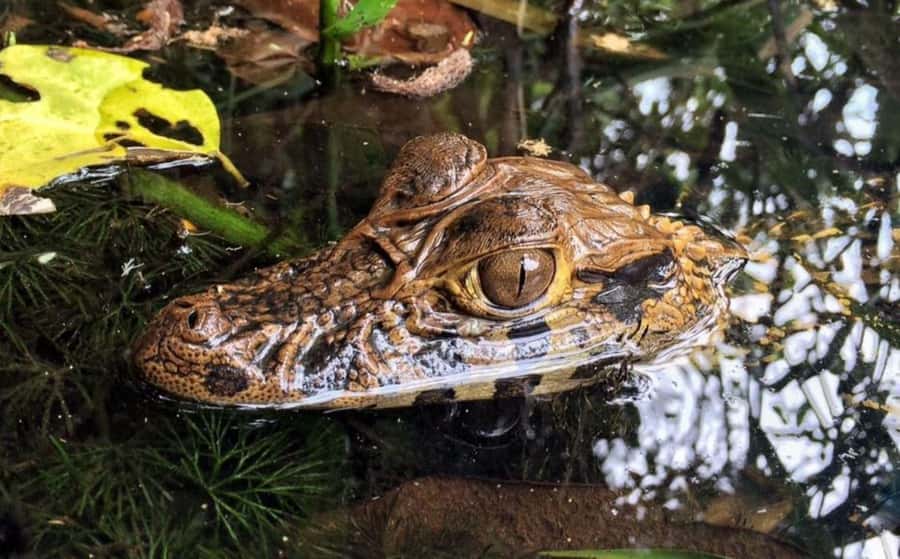
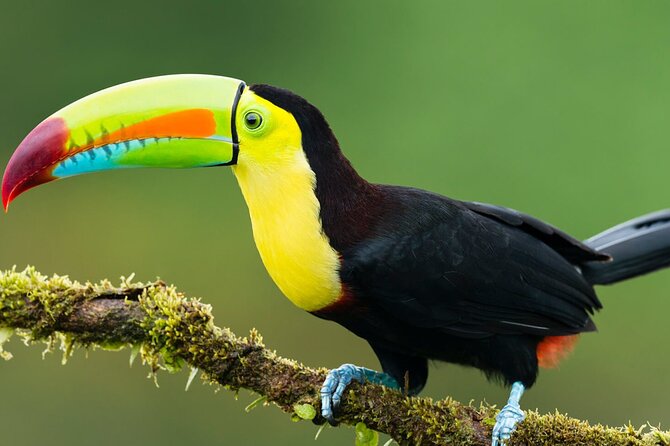
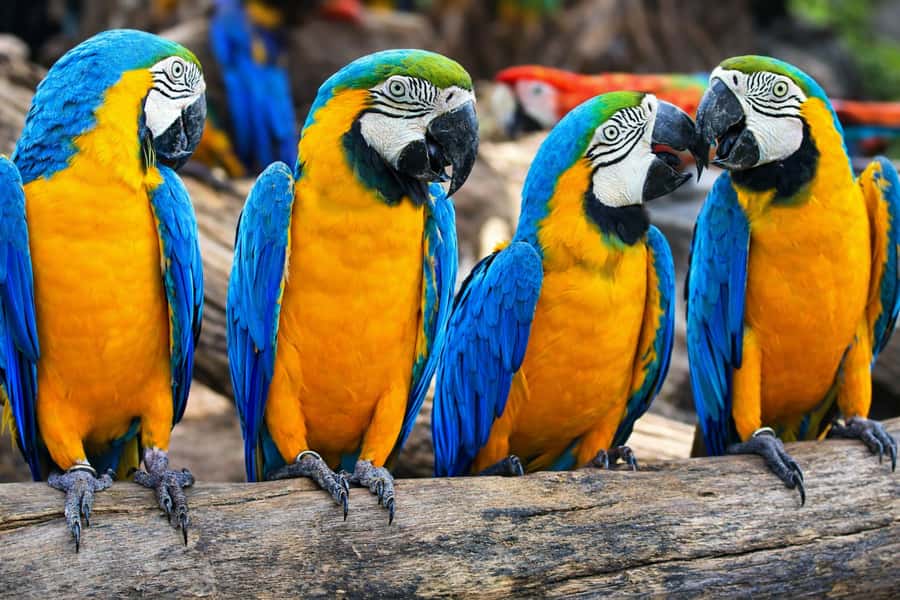
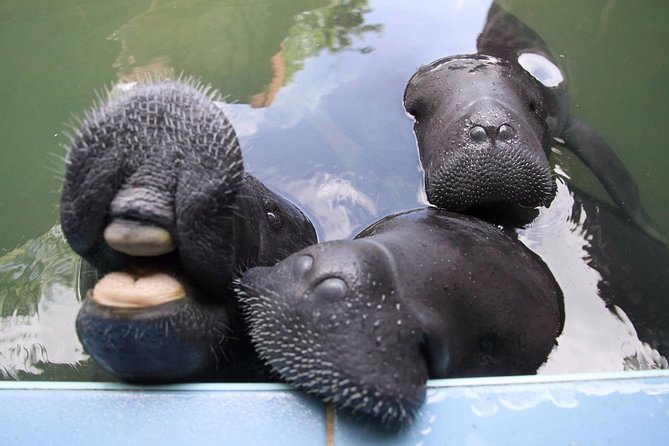
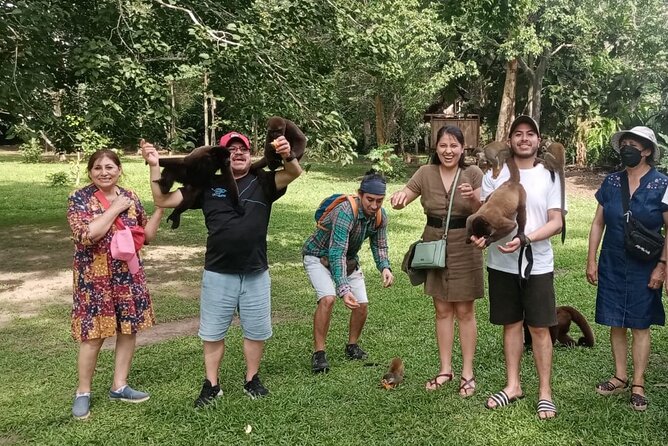
climates. As a result of this exceptional biodiversity,some 400 animal
species, more than 1,700 kinds of birds, (26% of those existing in the
planet) 2,000 sea and fresh water types of fish, almost 50,000 flora
species remain still unknown to date. However it is esttimated that they
represent barely half of the genetic wealth existing in the peruvian
territory.
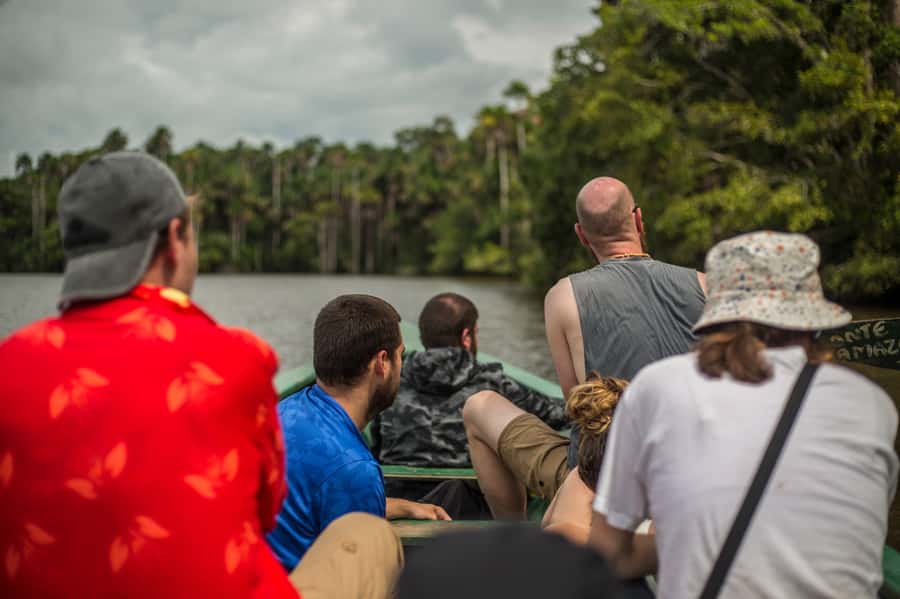
The natural reserve of Tambopata-Candamo holds the
world record for varieties of birds and in Ynamono, Loreto, thegreathes
diversity of threes in the world has beenn identified 300 species per
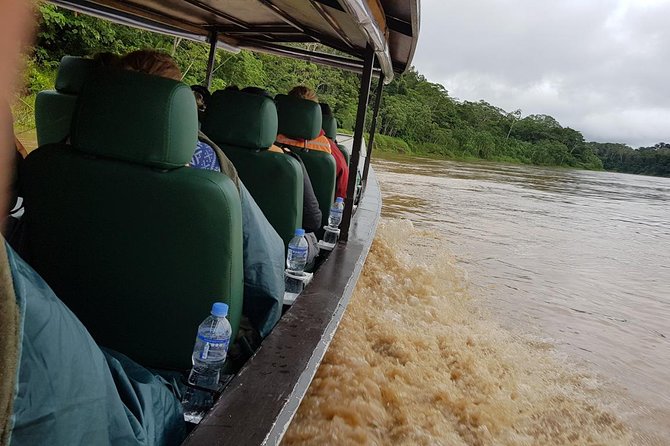
hectare. Contrary to conventional wisdom, Amazonia is not a uniform
land. Not even in relief. Actually it comprises a great variety of
mountains, hills, streams, rivers, big and small and we can find at
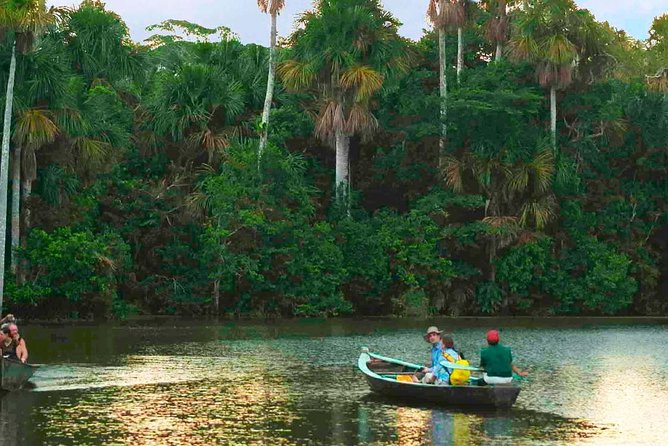
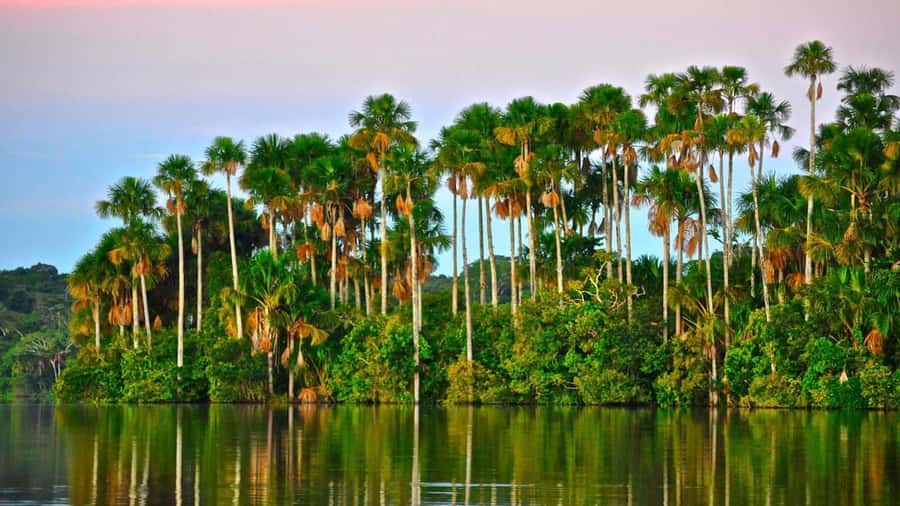
least three different environments: the tropical rain forest, tropical
savannas and a transition area between the former. Diversity of animals
and plant life is characteristic of all three as are the fruits and
vegetables that sustain animal life in the Amazon.
As the world looks for alternative sources of food that
will help in bringing about more sustainable and richer farming.
Amazonia stands out as the greatest source of potential sources of
nutrition.
Scientistists from all over the world are discovering
unsuspected natural resources in many tropical plants, from berries and
palms to extract oils and essences to leaves for thatching. Sustainable
agriculture has climbed to the top of many countries priorities in both
the developed and developing world. Growth of sustainable agriculture in
Amazonia has implications that go far beyond economic profitability.
there are still unclassified species yet to be studied. However,
sustainable agriculture can only be viable if it is profitable and
creates enough wealth for all those involved in its development. On the
other hand sustainable Amazon agriculture requires a very delicate
balance between present and future needs a balance that is still harder
to achieve in acid soils where low fertility sustains short cycle crops
with use for outside inputs.
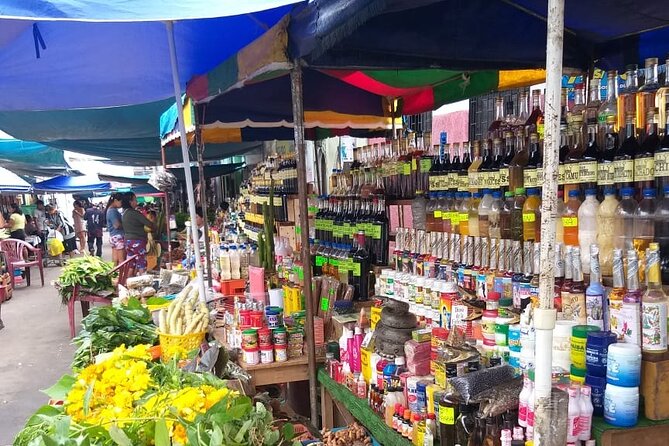
Common Peruvian Herbs: the more
well-known benefits of some common herbs and plant products. The
information presented here is intended for educational purposes only. It
is not intended as a substitute for the treatment, cure, diagnosis or
mitigation of a disease or condition. Persons with potentially serious
medical conditions should seek professional care.
The most well know peruvian plants
are: Coca Leaves, Cats Claw, Andean Maca, Muņa, Iporuro, Chuchuwasi,
Camu Camu, Achicoria, Achiote, Adormidera, Agave, Aguaje, Airampo Ajenjo,
Ajo sacha, Anashquru, Ancusacha, Anicillo, Anocara, Arbayan, Arrayan,
Ayahuasca, Atapio, Ayahuma, Ayamullaco, Barbasco, Bellaco Caspi,
Nencenucoi, Borraja, Cachuma, Calahuala, Caihua, Caņfistula, Cantu,
Caņamo, Caoba, Capalchi, Capuli, Caraņa, Catagua, Caucho, Cebada, Cidra,
Coca, Cochayuyo, Coco, Cocla, Contryerba, Copaiba, Cucupamaqui,
Cucharilla, Culantrillo, Curare, Chamairo, Chairden, Chamana, Chauca,
Chilca, Chmpu-Chimpu, Chinchircuma, Chipilin, Choclla, Chucama Guaricona,
Haba, Hacaguanguani, Habilla, Hercampuri, Huacatay, Huimba, Huito,
Ipecahuana, Isaņo, Ishanga, Maca, Lanten, Malca, Maquisapa Sacha, Matico,
Paico, Retama, romero, Ruda,
Recommendations
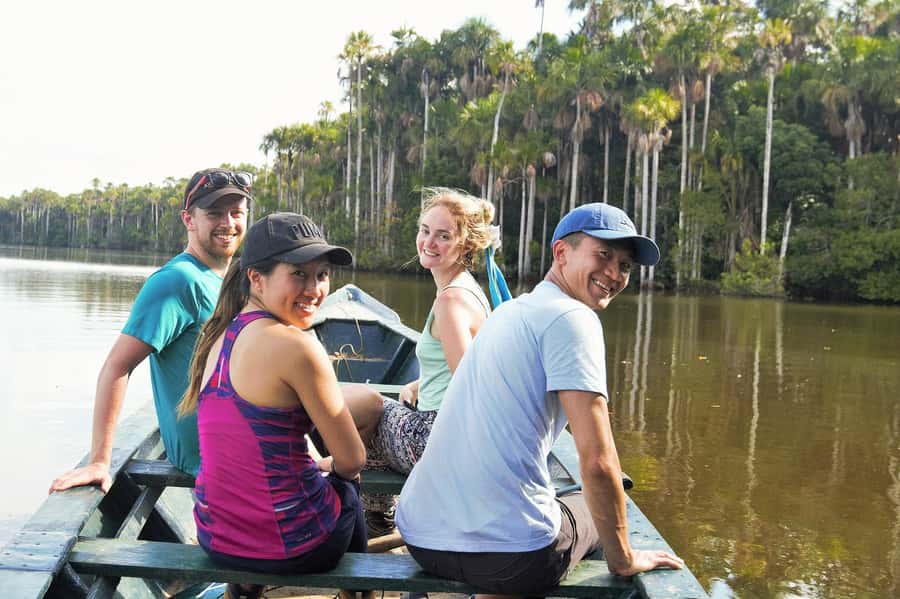
• Always notify authorities of entry into natural protected areas.
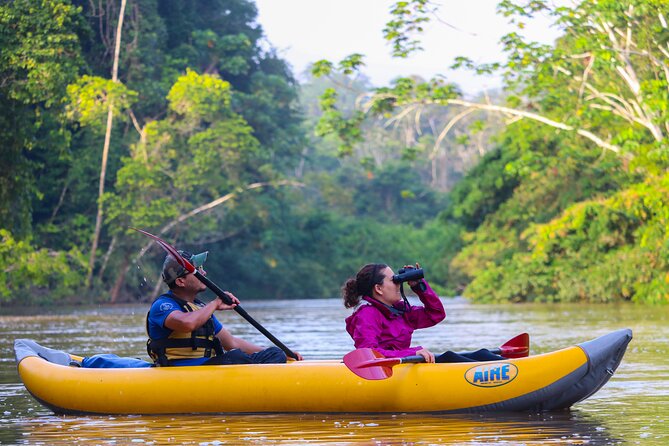
• Always carry a notebook and pen, plus maps, field guides and binoculars.
• Each time when making an entry or observation, note the date, location, climate and facts of interest about the area.
• Ask the inhabitants for the local name of the species and the best places for wildlife watching.
• Take detailed notes of characteristics such as color, size, shape of any unknown species and include data on behavior and habitat. These will be very useful for posterior identification.
• Feathers, nests and even excrement of certain bird species are useful tips to help identify species from a certain area
• Cooperate actively with the conservation of flora and fauna in Peru by alerting authorities (the National Institute of Natural Resources, Inrena) of any case of deterioration of species' habitats.
• Do not pull up or cut live plants. Remember that government regulations prohibit the extraction, trade or export of wild orchids.
• Do not light fires in the forests.
• Visit collections of specimens in natural history museums to learn more about local species and clear up doubts about registrations.
• On the coast: use sunblock and bring plenty of water.
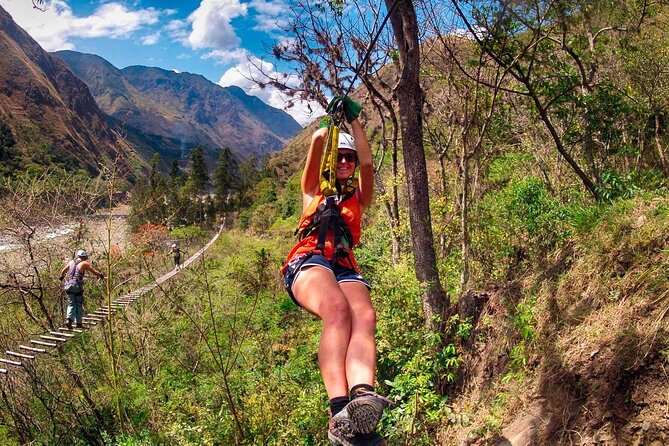
• In the highlands, use sunblock and carry plenty of warm clothing. High altitude sickness tends to strike over 2,500 masl. Take precautions by resting the first day, drinking plenty of liquid and avoiding heavy food.
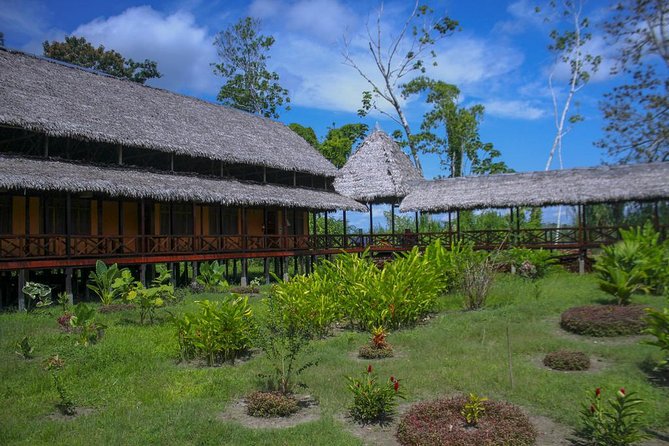
• In the jungle: Always bring along insect repellent, a raincoat and sunblock. It is advisable to wear long-sleeved shirts and long trousers to ward off insect bites. Yellow fever vaccinations are obligatory. There are also shots against malaria, tetanus and Hepatitis A and B, as well as clinical treatment for leishmaniasis (uta) and malaria. |